St. Augustine Grass: Complete Care and Maintenance Guide
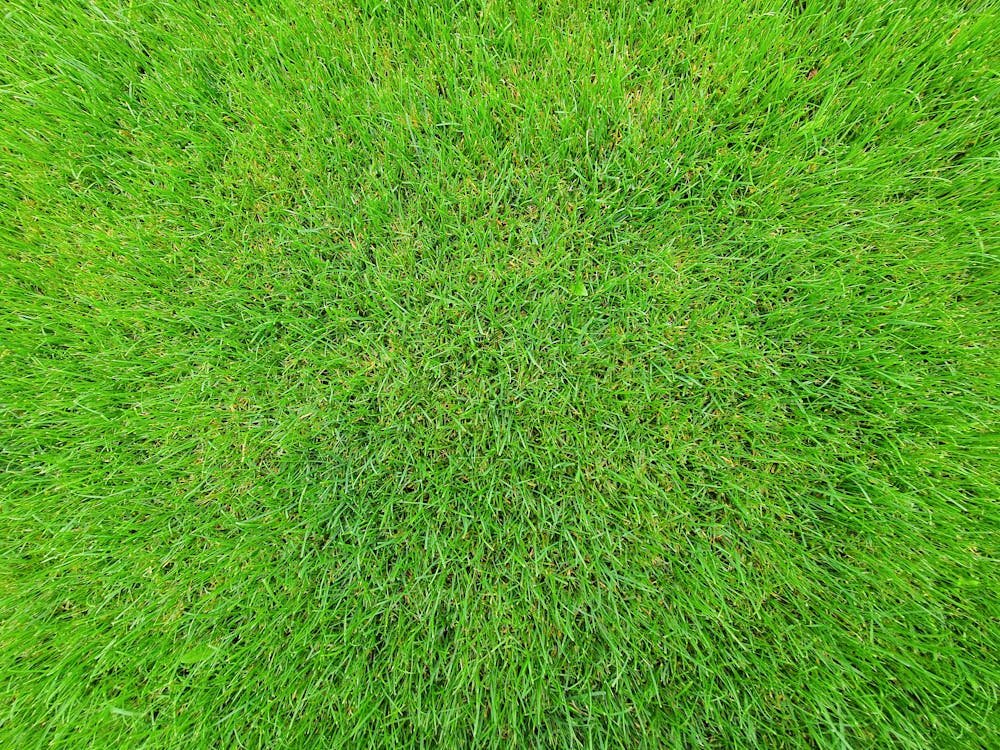
St. Augustine grass is the dominant lawn grass across Florida, the Gulf Coast, and much of the deep South—and for good reason. Its broad, coarse blades, vigorous spreading habit, and ability to thrive in heat and humidity make it well-suited for the challenging conditions of the subtropical South. This guide covers everything you need to maintain a beautiful St. Augustine lawn.
St. Augustine Grass Overview
Scientific name: Stenotaphrum secundatum Classification: Warm-season perennial grass Best regions: Florida, Gulf Coast states, coastal Southeast, Hawaii, parts of California Climate zones: USDA zones 8–10; marginally zone 7
St. Augustine has several distinctive characteristics that set it apart from other warm-season grasses:
- Broad, flat blades: The widest blade of any major turfgrass (4–8mm), giving it a distinctive coarse appearance
- Spreads by stolons only: Unlike Bermuda and Zoysia, St. Augustine doesn’t form rhizomes or viable seed—it spreads exclusively via above-ground stolons (runners)
- Shade tolerance: The most shade-tolerant of the major warm-season grasses; performs acceptably with just 3–4 hours of direct sun
- High humidity preference: Thrives in the hot, humid Southeast; struggles in dry climates without irrigation. In full-sun locations with reliable rainfall, Bermuda grass is worth comparing for its superior traffic tolerance and lower water requirements.
St. Augustine Varieties
Floratam: The most widely planted variety. Excellent chinch bug resistance (though resistance has broken down in some populations), good cold sensitivity. Best in south Florida and Gulf Coast.
Palmetto: Better cold and shade tolerance than Floratam. Good dark green color. Widely used where Floratam is marginal.
Seville: Fine-bladed for St. Augustine (still coarser than Bermuda/Zoysia). Good shade and cold tolerance. Compact growth.
Bitter Blue: Slow-growing, excellent shade tolerance and cold hardiness. Classic older variety.
CitraBlue: Newer variety with improved shade tolerance, better color, and chinch bug resistance.
Mowing St. Augustine Grass
St. Augustine is mowed at significantly higher heights than Bermuda or Zoysia—understanding the best height to cut grass for each warm-season species prevents the crown damage that weakens your lawn:
Recommended heights:
- Standard varieties: 3–4 inches
- Shade areas: 3.5–4 inches (never lower)
- Minimum: 2.5 inches (below this causes severe stress and crown damage)
Why so tall? St. Augustine’s stolons (runners) run along the soil surface. Cutting too low exposes and damages these stolons, weakening the plant and creating entry points for disease and pests.
Mowing frequency: Every 7–10 days during peak summer growth; every 14 days in spring and fall.
Blades: St. Augustine’s thick blades quickly dull mower blades. Sharpen or replace blades more frequently than with finer-bladed grasses.
Bagging vs. mulching: For most mowings, mulching is fine. Bag clippings during growth surges when clippings would clump.
Watering St. Augustine Grass
St. Augustine has higher water needs than Bermuda or Zoysia—its lush, broad blades transpire more moisture.
Active growth requirements: 1–1.5 inches per week during peak summer heat.
Drought tolerance: Moderate; goes dormant faster than Bermuda or Zoysia under water stress. Returns when irrigation resumes.
Signs of water stress:
- Blue-gray color
- Blades fold or roll lengthwise
- Footprints remain visible after walking
Watering schedule: Water 2–3 times per week in summer, delivering ½ inch per session. Water in early morning. For a deeper look at irrigation timing, amounts, and equipment, consult our lawn watering guide.
Overwatering risk: St. Augustine is the most disease-prone of the major warm-season grasses. Chronically wet conditions promote brown patch, pythium, and gray leaf spot. Allow the top inch of soil to dry between watering sessions.
Fertilizing St. Augustine Grass
St. Augustine has moderate to high nitrogen needs, and sticking to a consistent lawn fertilizer schedule helps you avoid both deficiency and the over-fertilization that promotes disease:
Annual nitrogen budget: 2–4 lbs of actual nitrogen per 1,000 sq ft per year (higher in warm regions)
Fertilizing Schedule
Spring green-up (March–April): Apply balanced fertilizer at 0.75–1 lb N per 1,000 sq ft when grass is actively growing.
Early summer (May–June): 1 lb N per 1,000 sq ft; high-nitrogen formula.
Midsummer (July): 0.75 lb N per 1,000 sq ft; slow-release in hot conditions.
Late summer (August): 0.5–0.75 lb N per 1,000 sq ft. Final nitrogen application; stop by September.
Never fertilize dormant grass: Wait until spring green-up before first feeding.
Special Nutrient Needs
Iron: St. Augustine frequently shows iron chlorosis—yellowing between the veins on new leaves. Apply chelated iron spray or a fertilizer with iron (especially on alkaline soils).
Potassium: Apply a potassium-rich supplement in early fall for improved cold hardiness in zone 8 transition areas.
Chinch Bug Control: The #1 St. Augustine Problem
Chinch bugs are the primary insect pest of St. Augustine grass and can destroy large sections of a lawn quickly if not controlled.
How to identify: Chinch bugs are tiny (1/16–⅕ inch) black insects with white wing patches. You’ll see yellowing or dying patches of grass surrounded by wilting grass; often mistaken for drought stress.
Test for chinch bugs: Push an open-ended coffee can into the soil in a stressed area and fill with water. Chinch bugs will float to the surface within minutes if present.
Damage pattern: Circular or irregular patches of dead grass that expand outward; typically starts in hot, sunny areas near driveways or sidewalks.
Control:
- Apply granular insecticide (bifenthrin, imidacloprid) according to label
- Treat the affected area plus a buffer zone around it
- Water in after application
- Repeat treatment in 4–6 weeks if reinfestation occurs
Prevention: Maintain proper irrigation, avoid excessive nitrogen, reduce thatch (chinch bugs thrive in heavy thatch).
Gray Leaf Spot: The Disease to Watch
Gray leaf spot is a fungal disease unique to St. Augustine that can cause rapid, widespread damage during hot, humid weather.
Symptoms: Small, brown-gray lesions with yellow halos on blades; as disease progresses, blades turn yellow and die back.
Conditions that promote it: High nitrogen, overwatering, warm nights above 70°F, stressed grass.
Control:
- Reduce nitrogen applications
- Improve air circulation through dethatching
- Apply fungicide (azoxystrobin, propiconazole) at first symptoms
- Avoid evening watering
Other Maintenance Tasks
Dethatching
St. Augustine produces moderate thatch. Dethatch when thatch exceeds ½ inch. Use a vertical mower or power dethatcher in late spring as grass begins active growth. Avoid harsh dethatching in fall—St. Augustine needs time to recover before dormancy.
Aeration
Aerate annually or every other year in late spring using a core aerator. Focus on high-traffic areas and anywhere water pools.
Weed Control
Pre-emergent: Apply in late winter/early spring for crabgrass prevention. Post-emergent broadleaf control: Atrazine is commonly used and labeled for St. Augustine. Be cautious—St. Augustine is more herbicide-sensitive than other warm-season grasses. Always read and follow labels.
Important: Never use 2,4-D at high rates on St. Augustine—it can severely damage or kill it.
Seasonal St. Augustine Care
Spring (February–April): Begin irrigation as temperatures rise. First mow when actively growing. Apply pre-emergent. Begin fertilizing.
Summer (May–August): Peak care season. Mow weekly, monitor for chinch bugs and gray leaf spot, irrigate consistently.
Fall (September–October): Reduce nitrogen, apply potassium if in Zone 8. Reduce irrigation as temperatures drop.
Winter (November–March): Dormancy in most areas. Minimal care. Avoid foot traffic on frozen grass. Light irrigation in extended droughts.
St. Augustine rewards attentive care with a lush, carpet-like lawn that’s well-suited to the demands of coastal and deep South climates. Manage chinch bugs and disease proactively and you’ll have one of the most attractive warm-season lawns available.