Bermuda Grass: The Complete Care Guide
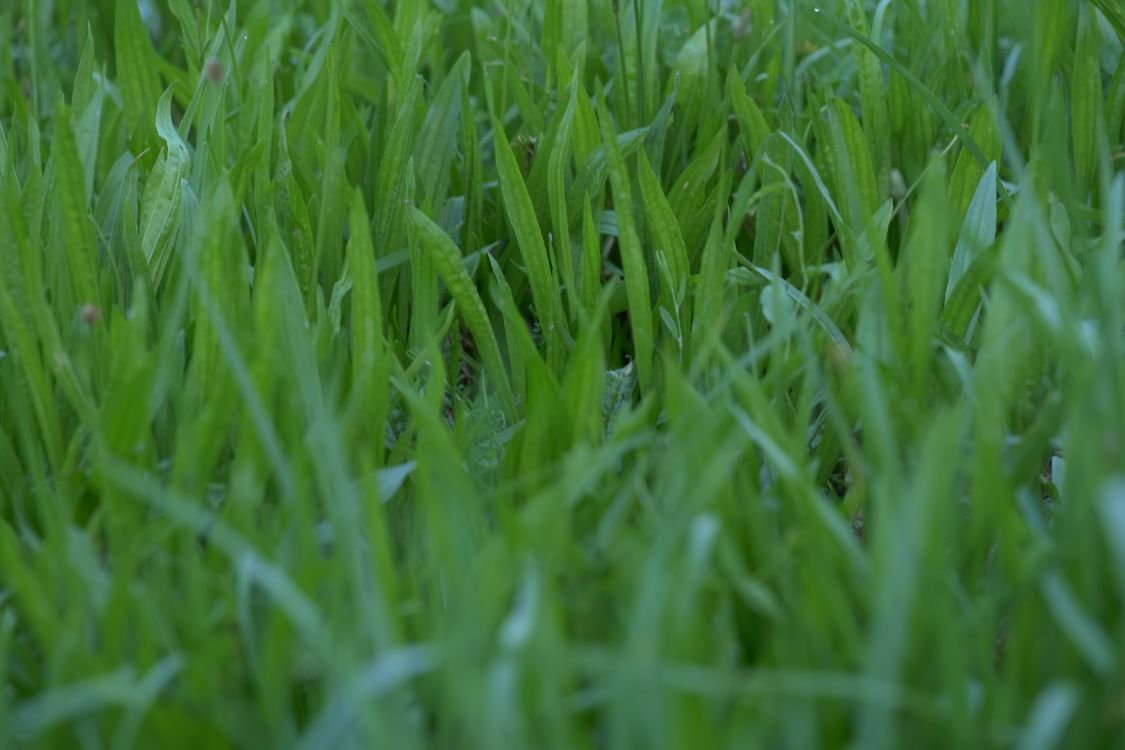
Bermuda grass is the workhorse of warm-season lawns. Aggressive, drought-tolerant, highly traffic-resistant, and capable of recovering from damage faster than almost any other turfgrass, it’s the grass of choice for athletic fields, golf courses, and millions of homeowners across the South and Southwest. Here’s everything you need to know to grow a stunning Bermuda lawn.
Bermuda Grass Overview
Scientific name: Cynodon dactylon (common); various Cynodon hybrids Classification: Warm-season perennial grass Climate zones: USDA Hardiness Zones 7–10 Best regions: Southeast, Southwest, Gulf Coast, California
Bermuda grass spreads by three mechanisms: stolons (above-ground runners), rhizomes (below-ground runners), and seed (for common varieties). This aggressive spreading habit is what makes Bermuda so resilient—it heals bare spots quickly—but it also makes it invasive in garden beds and can be difficult to contain.
Common vs. Hybrid Bermuda
Common Bermuda: Coarser texture, less uniform appearance, grows from seed, more heat-tolerant. Good for large, low-budget areas.
Hybrid Bermuda (Tifway 419, TifTuf, Celebration, Discovery): Finer texture, denser growth, better appearance, sterile (must be installed as sod or sprigs). Used on golf courses, sports fields, and premium lawns. These varieties have significantly improved drought tolerance (especially TifTuf) and shade tolerance compared to common Bermuda.
Climate and Adaptation
Bermuda thrives in:
- Full sun: Requires at least 6 hours of direct sunlight; declines rapidly with less
- USDA zones 7–10: Cannot survive prolonged freezes; semi-hardy in Zone 7
- Hot, dry climates: Excellent drought tolerance once established
- Poor to moderate soils: Adapts to a wide range of soil types
Bermuda’s limitation: It’s one of the least shade-tolerant major turfgrasses. Even partial shade causes thinning. If your yard has significant tree cover, consider Zoysia or St. Augustine instead. Homeowners in dry regions should also explore drought-tolerant lawn grasses such as Buffalo grass or fine fescues as potential alternatives.
Mowing Bermuda Grass
Bermuda’s horizontal growth habit means it actually thrives at relatively low mowing heights that would damage other grasses. Choosing the right cutting height for your grass type is one of the most impactful decisions you can make for lawn health.
Recommended heights:
- Common Bermuda: 1–2 inches
- Hybrid Bermuda: 0.5–1.5 inches
- Golf greens: ⅛–¼ inch (requiring reel mowers)
Mowing frequency: During peak summer growth (May–August), Bermuda may need mowing every 4–5 days to maintain appearance. A rotary mower works well at 1.5 inches and above; reel mowers are needed below 1 inch.
Never let Bermuda get away from you: Allowing Bermuda to grow 4–6 inches and then cutting it back causes severe browning and stress. Frequent mowing at a consistent height is essential.
Key tip: Bag clippings when mowing after a growth surge—Bermuda clippings are slow to decompose and can mat and smother the turf if left in thick layers.
Watering Bermuda Grass
Bermuda is significantly more drought-tolerant than most cool-season grasses, but it still needs consistent moisture during active growth.
Established lawn requirements:
- 1–1.25 inches per week during active growth
- Reduce to 0.5–0.75 inches per week once well-established
- Allow to go dormant (brown) during drought rather than over-irrigating
Signs of water stress:
- Grass blades fold lengthwise (the first stress signal)
- Blue-gray tinge to the lawn
- Footprints remain visible after walking
Overwatering risks: Bermuda is susceptible to pythium root rot and dollar spot under consistently wet conditions. Allow soil to partially dry between irrigation sessions.
Watering schedule: Water deeply 2–3 times per week rather than daily. Apply ½ inch per session. Morning watering is essential for Bermuda—wet blades overnight invite disease. See our complete lawn watering guide for timing and depth recommendations that work for any grass type.
Fertilizing Bermuda Grass
Bermuda is a heavy nitrogen feeder, especially during its peak growing season. A proper fertilizer program is essential for dense, green Bermuda. Following a structured lawn fertilizer schedule ensures you apply the right nutrients at the right times without risking burn or disease.
Annual Nitrogen Budget
- Common Bermuda: 2–4 lbs actual nitrogen per 1,000 sq ft per year
- Hybrid Bermuda: 4–6 lbs actual nitrogen per 1,000 sq ft per year
Fertilizing Schedule
Spring Green-Up (April–May): Apply a balanced fertilizer (16-4-8 or 10-10-10) at 0.75–1 lb N per 1,000 sq ft when Bermuda is 50% green.
Summer Feeding (June–August): Apply high-nitrogen fertilizer (32-0-10 or similar) monthly at 0.75–1 lb N per 1,000 sq ft. This is Bermuda’s peak feeding period.
Late Summer (September): Final nitrogen application at reduced rate (0.5 lb N). Stop nitrogen by mid-September in Zone 7 to avoid pushing growth vulnerable to frost.
Fall (October): Optional potassium application (0-0-50) to improve cold hardiness.
No winter feeding: Dormant Bermuda cannot use fertilizer. Feeding dormant turf wastes product and can increase disease susceptibility.
Iron Applications
Bermuda responds dramatically to iron treatments, producing a rich, dark green color without pushing excessive growth. Apply chelated iron spray or sulfate of iron according to label directions in spring and summer for improved color.
Overseeding Bermuda in Winter
Bermuda goes dormant (brown) in winter across most of its range. Many homeowners overseed with annual or perennial ryegrass in October–November for a green winter lawn—a practice especially common in the Southeast and Southwest.
How to winter-overseed Bermuda:
- Scalp the Bermuda to 0.5 inches in late October
- Dethatch and aerate lightly
- Apply ryegrass seed at 5–10 lbs per 1,000 sq ft
- Fertilize with starter fertilizer
- Water daily until germination, then as needed
Transition in spring: The ryegrass dies as summer heat arrives. Scalp and dethatch in April to help Bermuda take over. The competition from ryegrass can slightly delay Bermuda spring green-up.
Weed Control in Bermuda
Bermuda’s aggressive spreading is its best weed defense—a thick, healthy stand crowds out most weeds. But thin or stressed Bermuda allows weeds to invade.
Pre-emergent herbicide: Apply in late winter/early spring (when soil temps reach 50°F) and again in late summer to prevent crabgrass and other summer annuals.
Post-emergent: Most broadleaf herbicides (2,4-D, dicamba) are safe on Bermuda. Check product labels for Bermuda compatibility.
Nutsedge: A particular challenge in Bermuda. Use halosulfuron or sulfentrazone for control.
Seasonal Bermuda Care
Spring (March–May): Scalp the lawn to remove dead winter growth. Apply pre-emergent. Begin fertilizing when 50% green. Repair bare spots with sprigs or seed.
Summer (June–August): Peak growth season. Mow frequently, fertilize monthly, water consistently. Monitor for pest activity.
Fall (September–October): Reduce nitrogen, apply potassium. Consider winter overseeding. Winterize irrigation system in colder regions.
Winter (November–March): Bermuda is dormant. No fertilizer, minimal irrigation. Enjoy the ryegrass overseeding if applied.
Common Bermuda Grass Problems
| Problem | Cause | Solution |
|---|---|---|
| Brown patches | Disease (dollar spot, large patch) or drought | Identify cause; fungicide if disease |
| Thin, weak turf | Insufficient sunlight | Consider shade-tolerant alternatives |
| Invasion into beds | Aggressive rhizomes | Physical edging, landscape fabric, herbicide |
| Winter dormancy browning | Normal | Overseed with ryegrass for green color |
| Thinning in shade | Inadequate light | Can’t be fixed without improving light |
Bermuda is one of the most rewarding warm-season grasses when grown in the right conditions. Provide full sun, consistent summer fertilizing, and proper mowing height, and Bermuda will reward you with one of the toughest, most beautiful lawns available.