Tall Fescue Grass: A Complete Growing Guide
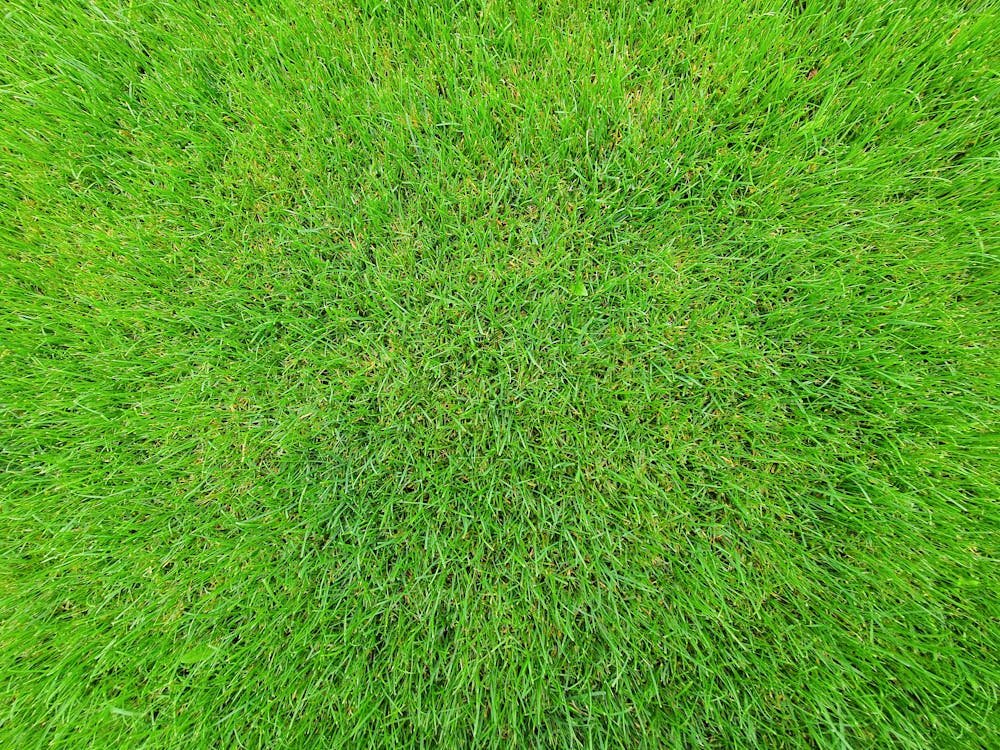
Tall fescue has undergone a remarkable transformation over the past few decades. Once considered a coarse, agricultural grass suitable mainly for pastures, modern turf-type tall fescue varieties are among the most attractive, durable, and versatile cool-season grasses available. For homeowners in the challenging transition zone—too hot for northern grasses, too cold for southern ones—tall fescue is often the best choice available.
What Is Tall Fescue?
Scientific name: Festuca arundinacea (now reclassified as Lolium arundinaceum) Classification: Cool-season perennial grass Best regions: Transition zone (Virginia, Tennessee, Missouri, Kansas, Colorado), Pacific Northwest, Mid-Atlantic, Northern California Climate zones: USDA zones 4–7
Tall fescue is a bunch-type grass, meaning it grows in clumps and doesn’t spread aggressively via rhizomes or stolons the way Bermuda or Bluegrass does. This has important practical implications: it can’t heal bare spots on its own—you must reseed damaged areas. It also means overseeding is essential to maintain density as individual plants age.
Why Tall Fescue Is Different
Several characteristics set tall fescue apart from other cool-season grasses:
Deep root system: Tall fescue develops roots 2–3 feet deep, far deeper than other cool-season grasses. This root depth is the foundation of its exceptional drought and heat tolerance.
Heat tolerance: Tall fescue handles summer heat better than Kentucky Bluegrass or fine fescues, making it the go-to grass for the transition zone where summers regularly hit 90°F+.
Drought tolerance: Deep roots access soil moisture that shallow-rooted grasses cannot reach. Tall fescue can survive on significantly less irrigation than other cool-season grasses.
Shade tolerance: Performs well in partial shade (3–4 hours minimum direct sun), better than Kentucky Bluegrass but not as good as fine fescues.
Wear tolerance: Good traffic resistance for a cool-season grass, particularly newer varieties.
Tall Fescue Varieties: Old vs. New
Older varieties (Kentucky 31, Rebel): Coarser texture, wider blades, more clump-prone. The K-31 you see on roadside slopes is tough but not attractive for lawns.
Turf-type varieties (newer): Dramatically finer texture, darker color, denser growth, endophyte-enhanced for pest resistance. Examples include:
- Rebel IV, Rebel Exeda: Classic turf-types, excellent color
- Titan RX: Rhizome-forming variety with improved healing ability
- Bonsai 2000, Ninja II: Very fine blades, compact growth
- Thermal Blue: Bluegrass/fescue blend with improved traits
Elite variety tip: Look for seed bags labeled “TTTF” (turf-type tall fescue) or “RTF” (rhizomatous tall fescue). These outperform older varieties significantly. For help choosing among available options, our guide to the best grass seed for your lawn covers variety comparisons and what to look for on the label.
Mowing Tall Fescue
Recommended height:
- Spring/fall: 3–3.5 inches
- Summer: 3.5–4 inches
- Minimum: 2.5 inches (never lower)
Tall fescue’s deep root development is closely tied to blade length. Cutting too short reduces root depth, compromising the drought tolerance that makes it valuable.
Mowing frequency: Every 7–10 days in spring and fall; every 10–14 days in summer.
Critical tip: Tall fescue shows mowing stress more quickly than other grasses. Mow when needed by growth, not by the calendar, and never remove more than one-third of blade height in a single mow.
Watering Tall Fescue
Tall fescue’s deep root system gives it significantly better drought tolerance than most cool-season grasses. An established tall fescue lawn can survive 4–6 weeks without irrigation in summer—far longer than Kentucky Bluegrass.
Active growth watering: 1 inch per week, applied in 1–2 deep sessions. Summer water management: Allow tall fescue to go semi-dormant in severe drought rather than irrigating heavily. It will green up when conditions improve. Overwatering risk: Tall fescue is susceptible to brown patch disease in hot, wet conditions. Avoid evening watering and keep soil surface on the drier side in summer.
Deep, infrequent watering schedule: Water twice weekly at 0.5 inches per session. Allow the top 1–2 inches of soil to dry between sessions. Our lawn watering guide explains how to calibrate your sprinklers and measure output accurately.
Fertilizing Tall Fescue
Tall fescue has moderate nitrogen needs—less than Bermuda, more than fine fescues.
Annual nitrogen budget: 2–3 lbs of actual nitrogen per 1,000 sq ft per year
Fertilizing Schedule
Fall (September): Most important feeding. Apply 0.75–1 lb N per 1,000 sq ft after aeration and overseeding. Slow-release preferred. Pairing fertilization with aeration and overseeding is a cornerstone of fall lawn care for tall fescue lawns.
Fall Winterizer (October–November): 0.75–1 lb N per 1,000 sq ft. High-potassium “winterizer” formula builds root reserves for winter and supports vigorous spring green-up.
Spring (April): Light feeding, 0.5 lb N per 1,000 sq ft. Avoid heavy spring nitrogen—it pushes lush growth vulnerable to brown patch when summer heat arrives.
Late Spring (May–June): Optional 0.5 lb N per 1,000 sq ft using slow-release formula before summer.
Skip summer fertilizing: Never fertilize heat-stressed tall fescue in July–August. This is the grass’s most vulnerable period.
Overseeding: A Must for Tall Fescue
Because tall fescue is a bunch-type grass that doesn’t spread to fill bare spots, annual overseeding is an important maintenance practice. Tall fescue plants have an average lifespan of several years; regular overseeding introduces younger, more vigorous plants.
Overseeding timing: Early fall (August 15–October 15) is the optimal window. Seeding rate: 4–6 lbs of quality TTTF seed per 1,000 sq ft when overseeding. Preparation: Aerate, mow low (1.5–2 inches), apply starter fertilizer. Aftercare: Water daily for 2–3 weeks until seedlings establish. For a complete walkthrough of soil preparation, seeding technique, and post-seeding care, see our guide on how to plant grass seed.
Annual fall overseeding maintains density, introduces improved varieties, and prevents the clumpy, patchy appearance that develops as individual plants age.
Disease and Pest Management
Brown Patch (Most Common Disease)
Brown patch is tall fescue’s primary disease. It appears as circular brown patches with a dark “smoke ring” border during hot, humid weather (nighttime temps above 70°F + wet conditions).
Prevention:
- Avoid evening watering
- Apply a slow-release nitrogen source (never fast-release in summer)
- Maintain proper mowing height
- Improve air circulation through dethatching
Treatment: Apply fungicide (propiconazole, azoxystrobin) at first symptoms; repeat in 14 days.
Pythium Root Rot
Favored by overwatering and compacted, poorly draining soil. Reduce irrigation, improve drainage, and apply mancozeb fungicide if needed.
Pests
Tall fescue is naturally endophyte-enhanced in many modern varieties, which makes it less vulnerable to surface-feeding insects like billbugs. However, white grubs (Japanese beetle larvae) attack roots. Apply preventive grub control in late spring to early summer.
Common Tall Fescue Problems
Clumping appearance: Normal for older stands as bunch-type plants age; solved by annual overseeding. Summer thinning: Combination of heat stress and natural attrition; addressed by fall overseeding. Brown patch in summer: Disease management; reduce irrigation, apply fungicide. Poor color: Usually nitrogen deficiency in spring; apply light feeding.
Is Tall Fescue Right for Your Lawn?
Yes, if:
- You’re in the transition zone (Zone 6–7)
- You want drought tolerance without converting to warm-season grass
- Your yard has partial shade
- You want a lower-input cool-season lawn than Kentucky Bluegrass
Consider alternatives if:
- You’re in Zone 4–5 (Kentucky Bluegrass handles cold better)
- You want a very fine-textured lawn (fine fescue is finer)
- You’re in the deep South (Zoysia or Bermuda are better suited)
Tall fescue is the most versatile cool-season turfgrass available. Modern TTTF varieties combine the toughness of this grass’s deep roots with texture and color that rival more pampered alternatives. For homeowners in the transition zone, it’s often the best single lawn grass available.