Landscaping Ideas to Boost Your Home's Curb Appeal
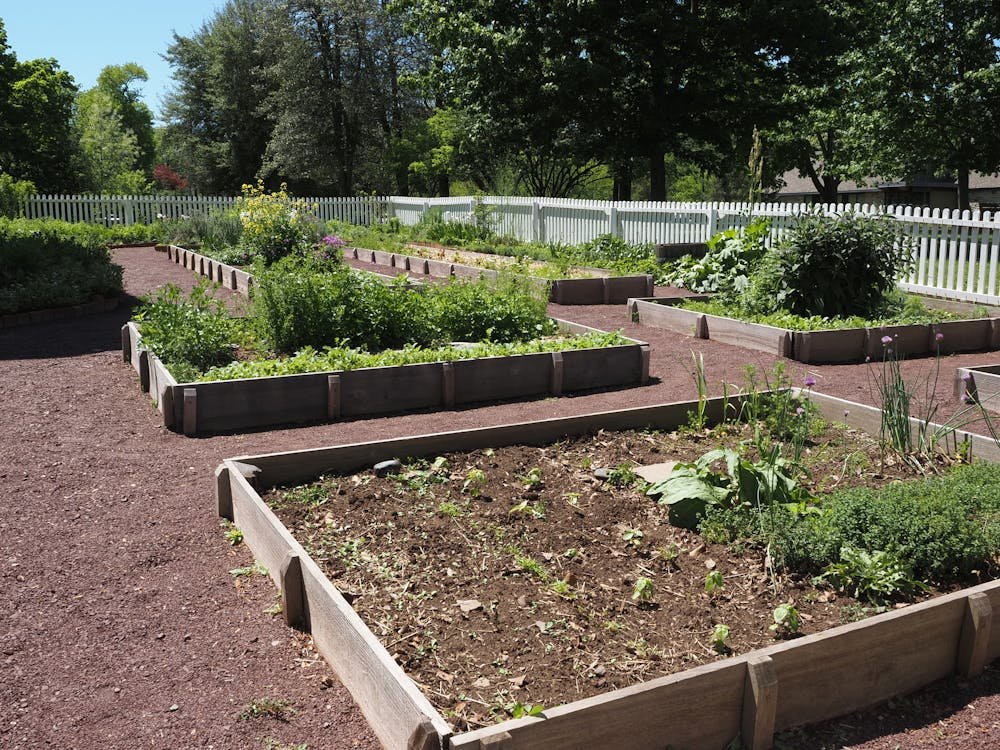
Curb appeal is one of the most financially impactful investments you can make in your home. Studies consistently show that good landscaping can add 5–15% to a home’s value—and it’s one of the first things buyers (and neighbors) notice. Whether you’re preparing to sell or simply want a yard you’re proud of, these landscaping ideas deliver high impact for any budget. A great-looking lawn is the foundation of curb appeal, so pairing these design ideas with low-maintenance lawn strategies ensures the grass stays as sharp as the plantings around it.
Start with a Plan
The most common landscaping mistake is impulse planting—buying plants at the nursery because they look good, then trying to figure out where they go at home. This approach leads to plants in the wrong locations, poor composition, and a yard that looks cluttered rather than designed.
Before buying anything:
- Map your yard: Sketch the space (to scale if possible) including the house, driveway, walkways, and any existing trees or structures.
- Note sun exposure: Mark which areas get full sun (6+ hours), partial sun (3–5 hours), and shade. Plant selection depends heavily on this.
- Identify your style: Formal and symmetrical? Relaxed and cottage-style? Modern and minimalist? Native/naturalistic? Choose a style and stick to it—mixed styles look accidental rather than designed.
- Establish a budget: Landscaping costs add up quickly. Knowing your budget prevents over-commitment.
Principle 1: Focus on the Foundation Planting
Foundation planting—the shrubs and plants directly around the house—has the biggest curb appeal impact of any landscaping element.
Key principles for foundation planting:
- Choose plants that fit their space at maturity: The biggest mistake is planting shrubs that will eventually reach 8 feet next to a window that’s 4 feet off the ground. Research mature sizes before buying.
- Layer heights: Place tall plants (5–8 feet) at the house corners; medium plants (3–5 feet) between windows; low plants (1–3 feet) in front.
- Repeat plants for cohesion: Using the same 3–5 plants in multiple locations creates a unified look rather than a random collection.
- Leave space for growth: New plants look sparse initially but will fill in. Resist planting too close.
Reliable foundation plants (adapt selection to your climate and sun):
- Boxwood: Classic, formal, evergreen. Available in dozens of sizes.
- Yew: Tolerates shade; evergreen; traditional.
- Spirea: Flowering shrub; masses of color in spring/summer; very easy.
- Knock Out Roses: Disease-resistant; blooms all season; low maintenance.
- Ornamental grasses: Modern look; great texture and movement; winter interest.
- Hydrangea (Limelight, Little Lime): Spectacular summer blooms; easy to grow.
Principle 2: Define Edges Cleanly
Nothing improves curb appeal faster than clean, defined edges between lawn and beds. The contrast between a sharp edge and a blurry, overgrown transition is dramatic.
Tools for clean edges:
- Half-moon edger: Manual; creates clean vertical cuts; best for initial installation
- Rotary edger: Manual wheel-type; maintains established edges efficiently
- String trimmer (edging mode): Many string trimmers rotate to edge along hard surfaces
- Metal edging: Installed at the bed-lawn boundary, creates a permanent, clean definition
Maintenance schedule: Re-edge beds monthly in the growing season to maintain crispness.
Mulch the beds: After edging, apply 2–3 inches of mulch (shredded bark, wood chips, or pine straw depending on your region). Fresh mulch transforms the appearance of beds instantly—clean, professional, and weed-suppressing.
Principle 3: Create a Welcoming Entry
The path from the street to your front door is the most important landscape design element. It sets the tone for visitors and creates a sense of arrival.
Walkway ideas:
- Expand a narrow walk: Many homes have a 36-inch concrete walkway that feels cramped. Adding flagstone, pavers, or additional stepping stones widens the effective path and improves aesthetics.
- Curved vs. straight: Curved paths feel more natural and inviting; straight paths look more formal and efficient. Match to your overall style.
- Materials: Concrete pavers (clay or concrete), natural flagstone, decomposed granite, brick. Choose based on budget, climate, and house style.
Entry plantings: Frame the front door with two matching plants in containers or in-ground plantings. Traditional choices: topiaries, ornamental conifers, boxwood balls. Modern choices: ornamental grasses, architectural succulents.
Lighting: Front door areas are often under-lit, which reduces nighttime curb appeal. Path lights, uplighting on trees, and a well-lit door number dramatically improve evening appearance.
Principle 4: Trees Anchor the Landscape
A single well-placed tree adds more to a property’s value and curb appeal than almost any other element—but it needs to be the right tree in the right place.
Small to medium ornamental trees (good for most residential front yards):
- Japanese maple: Beautiful red or green foliage; great fall color; fits in tight spaces. Slow-growing.
- Crape myrtle: Summer bloomer; excellent for heat; available in many sizes. Best in Zone 7+.
- Dogwood: Spring blooms; excellent four-season interest. Prefers partial shade.
- Serviceberry (Amelanchier): White spring flowers; edible berries; excellent fall color; native species option.
- Ornamental pear (Aristocrat, Cleveland Select): White spring flowers; excellent columnar form. Avoid Bradford pear.
Placement principles:
- Plant trees 10–15 feet from the house foundation
- Respect overhead utility lines (don’t plant tall trees under power lines)
- Consider mature root spread relative to hardscape
- Position trees to eventually shade the south and west sides of the house for energy savings
Principle 5: Color Adds Instant Impact
While permanent structure (trees, shrubs, hardscape) creates lasting curb appeal, seasonal color additions—annuals, bulbs, perennials—add vibrancy and freshness.
High-impact color strategies:
Spring bulbs: Plant tulips, daffodils, and alliums in fall for spring color. Plant in masses of 20+ for maximum visual impact. Layer with summer perennials that will fill in as bulb foliage dies back.
Annuals in containers: Large containers at the front door filled with coordinating annuals (thriller/filler/spiller design) add color all season with minimal effort. Replace seasonally.
Perennial borders: Lower maintenance than annuals over time; establish a mix that provides color from early spring through fall. Design around bloom sequence.
Color repetition: Choose 2–3 colors and repeat them throughout the planting. Random colors look chaotic; coordinated colors look designed.
Principle 6: Low-Maintenance Doesn’t Mean No-Maintenance
Many homeowners want a “low-maintenance” landscape, which is achievable—but requires upfront investment in the right plants and design.
Low-maintenance principles:
- Native plants: Adapted to local conditions; generally require less water, fertilizer, and pest control
- Right plant, right place: A sun-loving plant in shade is always high-maintenance (struggling to survive); the same plant in the right spot needs minimal care
- Mulch generously: 3–4 inches of mulch suppresses weeds dramatically; reduces watering; insulates roots
- Reduce lawn area: Lawn is the most maintenance-intensive landscape element. Replace portions with groundcover, beds, or hardscape.
- Drip irrigation: Automates watering with maximum efficiency; eliminates hand-watering. See the lawn watering guide for choosing the right setup.
Budget-Friendly Curb Appeal Improvements
Big impact without breaking the bank:
- Fresh mulch ($50–$150 for a typical front yard): Instant transformation; weed suppression; professional look
- Clean edges (free with the right tool): The single biggest bang for effort
- Paint the front door: A bold, fresh door color draws the eye and signals a well-maintained home
- Solar path lights ($30–$80 for a set): Illuminates the walkway at night
- Add window boxes: Plant with annual flowers; transforms a bare facade
- Power wash walks and driveway: Remove years of grime in an afternoon; remarkable difference
- Address numbers and hardware: New house numbers, a fresh mailbox, and updated door hardware modernize the entrance affordably
Curb appeal landscaping doesn’t require an unlimited budget—it requires thoughtful design, clean maintenance, and a few well-chosen investments that make a disproportionate visual impact. If your lawn itself needs a boost, the guide on how to make your lawn greener covers color-improving tactics, while drought-tolerant lawn grasses offers grass varieties that stay lush with far less water — a smart choice for low-maintenance curb appeal.