I Stopped Bagging My Grass Clippings — My Lawn Has Never Looked Greener
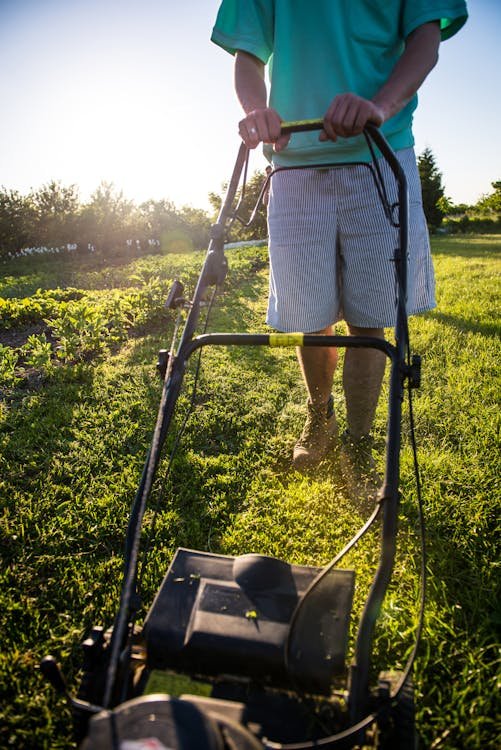
I spent four years dragging a bag behind my mower, stuffing it into yard waste bags, and hauling those bags to the curb every week. It never occurred to me that I was literally throwing away fertilizer.
Then I read that grass clippings contain roughly 4% nitrogen by dry weight — the same primary nutrient in most commercial lawn fertilizers. I ran some numbers and realized I was bagging and discarding the equivalent of one full bag of lawn fertilizer every season.
I left the bag off. That was two years ago. My lawn is noticeably greener and I’ve reduced my fertilizer applications by half.
Here’s what’s actually going on, and how to do it right.
The Thatch Myth That Keeps People Bagging
Ask most homeowners why they bag their clippings and they’ll say “thatch.” The worry is that clippings pile up on the lawn, don’t decompose, and create a thick mat (thatch) that blocks water and air from reaching the roots.
This is mostly wrong, and understanding why changes how you think about clippings entirely.
Thatch is not made of grass clippings. Thatch is composed primarily of stems, roots, and other dense plant material that decomposes slowly. Grass clippings are over 80% water. When you cut short enough clippings — which happens when you mow regularly at the right height — they filter down through the turf and decompose within days, not months. They essentially vanish.
Thatch buildup is caused by mowing too infrequently, soil compaction, overly acidic soil, or overuse of certain pesticides that harm the soil microbes that decompose organic matter. Not by clippings.
The only scenario where clippings contribute to thatch is if you’re mowing when the grass is extremely long and leaving behind thick wads of wet clippings that clump on the surface. That’s a mowing frequency problem, not a clippings problem.
What “Grasscycling” Actually Means
Grasscycling is just a word for intentionally leaving your clippings on the lawn. It’s not a complicated technique. The main principle is: don’t remove more than one-third of the blade height in a single mow.
If your grass is 4 inches tall, cut to 2.5–3 inches. The clippings will be short and fine — about an inch or less — and will fall between the blades and disappear within a day or two. You won’t see them. Visitors won’t notice them. They’ll just quietly decompose and feed your lawn.
If you let your grass get to 6 inches and then cut it to 3, you’ll have a layer of thick clippings sitting on top of the turf, and yes, that looks bad and can cause problems. That’s a timing issue.
The fix is simple: mow more frequently rather than cutting deep each time. Most lawns in the growing season need mowing every 5–7 days, not every 10–14.
The Fertilizer Value Is Real
University studies on grasscycling consistently find that it reduces fertilizer needs by 25–30%. Over a full season, that’s meaningful.
A 50-lb bag of quality lawn fertilizer costs $25–45 depending on brand and formulation. If you’re fertilizing a 5,000 sq ft lawn three times a year, that’s roughly $75–135 annually in fertilizer. Cutting that by 30% saves you $22–40 — not transformative, but real money for something that requires zero extra effort.
The other benefit is soil health. When clippings decompose, they feed the soil microbiome — the microorganisms that break down organic matter and make nutrients available to grass roots. A more biologically active soil means better long-term lawn health, better drought resistance, and less dependence on synthetic inputs over time.
One Thing to Watch: Disease Pressure
The one legitimate concern with grasscycling is in lawns that have active fungal disease. If your lawn has brown patch, dollar spot, or another fungal issue, leaving clippings on the lawn can spread fungal spores to unaffected areas.
In this case, bag your clippings until the disease is under control and conditions dry out. Don’t add the clippings to your compost either — bag and dispose of them separately.
Outside of active disease, clippings pose no risk. Healthy lawn + regular mowing + proper height = grasscycling works perfectly.
Does It Work With a Mulching Mower vs. a Regular Mower?
A mulching mower (one with a mulching blade and no discharge chute) chops clippings into finer pieces before dropping them, which speeds up decomposition. If you have one, it’s ideal for grasscycling.
A regular side-discharge mower works just fine too, as long as you’re not cutting too much at once. The clippings will be slightly larger but still decompose well when they’re short enough.
You can also buy a mulching blade for many standard mowers for $15–25 — it’s a simple swap that makes a noticeable difference in how quickly clippings break down.
My Actual Results After Two Seasons
First season: I noticed the lawn was slightly greener in late summer compared to prior years, despite applying one fewer fertilizer treatment. I was mowing every 6–7 days at 3 inches on my tall fescue.
Second season: I went from three fertilizer applications to two. The lawn looked the same or better. I also noticed better moisture retention in the soil — less surface drying between waterings — which I attribute to the slight organic layer the decomposing clippings create.
I haven’t dealt with any thatch issues. I aerate once a year in fall, which is normal maintenance regardless. See our lawn aeration complete guide for how to time it.
If you’re also optimizing your mowing technique, lawn mowing tips and best height to cut grass cover exactly what height to target for your grass type — getting that right is what makes grasscycling work without any clipping buildup.
How to Start (It’s Literally Just: Stop Bagging)
- Remove the bag from your mower.
- Mow when the grass reaches no more than one-third above your target height.
- Keep blades sharp — dull blades tear rather than cut cleanly, which slows decomposition.
- That’s it.
There’s no product to buy. No technique to learn. You actually spend less time mowing because you’re not stopping to empty a bag every few passes.
I genuinely can’t think of a lawn care change that has a better return — in money saved, time saved, and visible results — than simply leaving your clippings behind.