Winterizing Your Lawn: Essential Steps Before the Freeze
Getting your lawn ready for winter is one of the most important lawn care investments of the year. A lawn that goes into winter well-fed, properly mowed, and free of debris emerges in spring healthier and greener. A lawn that goes in neglected faces spring diseases, thinning, and a slow, weak green-up. Winterization picks up directly where the fall lawn care guide leaves off — so if you haven’t completed those fall tasks yet, start there first. Here’s your complete winterization guide.
When to Winterize Your Lawn
Cool-season lawns (northern regions): Winterization tasks are best completed in October–November, after active growth has slowed but while grass is still green. Ground freeze typically occurs December through February depending on your region.
Warm-season lawns (southern regions): Winterization occurs as grass begins going dormant, typically October in Zone 7–8, November–December in warmer zones.
Signs it’s time: Nighttime temperatures consistently at or below 45°F; active growth has slowed significantly; first frost is within 2–4 weeks.
Step 1: Apply Winterizer Fertilizer
The winterizer application is the single most important fertilizer application of the year for cool-season lawns—more important than any spring feeding.
Why winterizer works: When applied after growth slows but before ground freeze, nitrogen and potassium are absorbed by the plant and stored as carbohydrates in the roots and crown. These reserves:
- Power the grass through winter without damaging growth
- Fuel a robust, early spring green-up
- Improve winter hardiness and disease resistance
What to apply: A high-potassium formula—look for lawn fertilizers labeled “Winterizer” (typical analysis: 24-5-11 or similar). The potassium improves cell membrane function and cold tolerance. Following a year-round lawn fertilizer schedule ensures the winterizer application dovetails properly with what you applied in spring and fall.
Rate: 0.75–1 lb actual nitrogen per 1,000 sq ft.
Timing: Apply while grass is still green (able to absorb nutrients) but after growth has slowed (so it stores nutrients rather than pushing new growth). In most northern regions: mid-October to mid-November.
What if I missed it?: A late winterizer applied to barely-growing grass is still beneficial. Apply even if grass has almost stopped growing, as long as the ground isn’t frozen.
Step 2: Final Mowing at the Right Height
Your last mow of the season deserves as much attention as your first.
Target winter height: 2–2.5 inches for most cool-season grasses.
Why this height matters:
- Too tall (4+ inches): Creates conditions for snow mold—the matted, wet organic material under snow is a perfect fungal incubator
- Too short (1–1.5 inches): Removes protective leaf tissue; exposes growing crown to freeze damage
How to get there: If your summer height was 3.5 inches, bring it down gradually over your last 3–4 mowings of the season. Drop ¼ inch per mowing.
When is the last mow? When grass has essentially stopped growing and nighttime temps are consistently below 45°F. Grass doesn’t grow below approximately 40°F soil temperature.
Step 3: Winterize Your Irrigation System
Failure to winterize irrigation systems is one of the most expensive lawn care mistakes possible. Water remaining in pipes, valves, and spray heads freezes and expands, cracking pipes and breaking heads—repairs can run hundreds to thousands of dollars.
Winterization Process
Manual drain systems:
- Shut off water supply at the main shutoff
- Open all manual drain valves
- Open end caps to allow air in as water drains
- Open backflow preventer drain ports
- Leave drain valves open through winter
Automatic drain systems: Similar to manual but valves open automatically when pressure drops. Still manually close the main supply valve.
Blow-out method (most common for buried systems):
- Shut off water supply
- Connect an air compressor (minimum 20–50 CFM depending on pipe size—most homeowner compressors are too small; rent or hire a professional)
- Open one zone at a time and blow out water with 50 PSI air (never exceed 50 PSI—it damages heads and pipes)
- Run each zone for 30–60 seconds until no more water exits
- Repeat 2–3 times per zone
Professional winterization: $50–$150 for most residential systems; strongly recommended if you’re uncertain about the process.
Don’t forget: The controller. Set it to “off” or “rain” mode for winter.
Step 4: Clear All Leaves and Debris
Leaves left on the lawn over winter are one of the primary causes of spring snow mold and dead patches.
The problem: A mat of wet leaves under snow creates an anaerobic environment where fungal pathogens (pink and gray snow mold) thrive. When snow melts, you find circular patches of matted, diseased grass.
What to do: Rake, blow, or mow/mulch all leaves before your lawn’s first hard freeze. Don’t leave any significant leaf cover.
Mowing and mulching leaves: Run your mower over fallen leaves to shred them into small pieces. Shredded leaves decompose quickly and don’t create the same smothering effect as intact leaves. Light leaf falls can be mulched directly into the lawn; heavy falls should be composted.
Step 5: Treat Broadleaf Weeds (If Not Already Done)
October and early November are excellent times for broadleaf weed control—especially dandelions, clover, ground ivy, and plantain. Perennial weeds are moving nutrients into their roots for winter storage; systemic herbicides follow these nutrients and kill the entire root system.
Apply broadleaf herbicide (2,4-D, dicamba, or triclopyr) when weeds are actively growing, temperatures are above 50°F, and rain isn’t expected for 4–6 hours.
This is often more effective than spring treatment for perennial weeds.
Step 6: Clean, Service, and Store Equipment
Winter is the perfect time to maintain your lawn equipment so it’s ready for spring.
Lawn mower:
- Drain or stabilize fuel: Old gasoline breaks down over winter and leaves varnish deposits that clog carburetors. Either drain completely or add fuel stabilizer to the tank and run the engine briefly to circulate it through the fuel system.
- Change the oil: Fresh oil over winter is better than used oil sitting in the crankcase for months.
- Sharpen or replace blade: Do this in fall so you’re ready in spring.
- Clean the deck: Remove dried grass buildup; coat inside of deck with a light spray of oil or cooking spray to prevent rust.
- Replace spark plug: A fresh spark plug ensures easy starting in spring.
- Store indoors: Keep out of freezing temperatures if possible.
Other tools:
- Spreaders: Clean and dry thoroughly; residual fertilizer is corrosive
- Sprayers: Drain, rinse with clean water, and store with caps off to allow complete drying
- Garden hoses: Drain completely and bring indoors
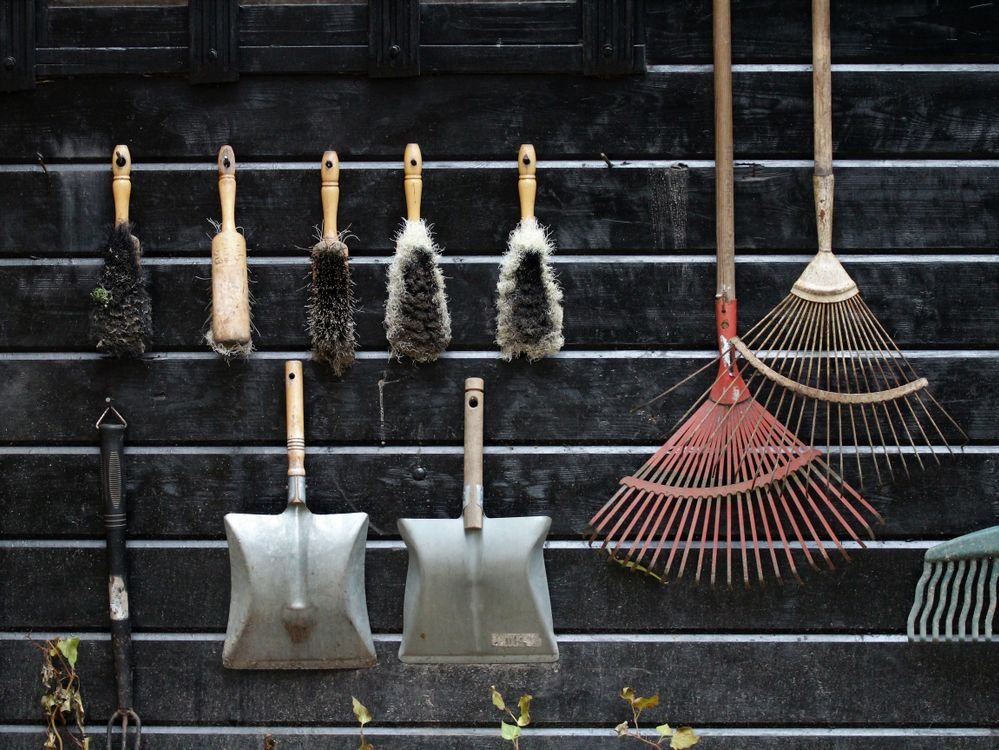
- Hand tools: Wipe with an oily rag to prevent rust; store in a dry location
What to Expect From a Well-Winterized Lawn
A lawn that went into winter properly prepared should:
- Green up 1–2 weeks earlier in spring than an unprepared lawn
- Show minimal snow mold or disease damage
- Be thicker and denser than the previous spring
- Need little more than raking and its first mow to look presentable
- Be more resistant to spring weed invasion
When spring arrives, pick up with a spring lawn care checklist to carry that momentum through the new growing season — completing the full seasonal lawn care cycle.
A neglected lawn faces: slow, patchy green-up; snow mold damage requiring raking and reseeding; spring weeds filling in bare areas; and a deficit that may take the entire growing season to recover from.
Winter lawn care is about protecting the investment you made all season. Take care of it now and your spring self will be very grateful.