Kentucky Bluegrass: Growing and Maintenance Tips
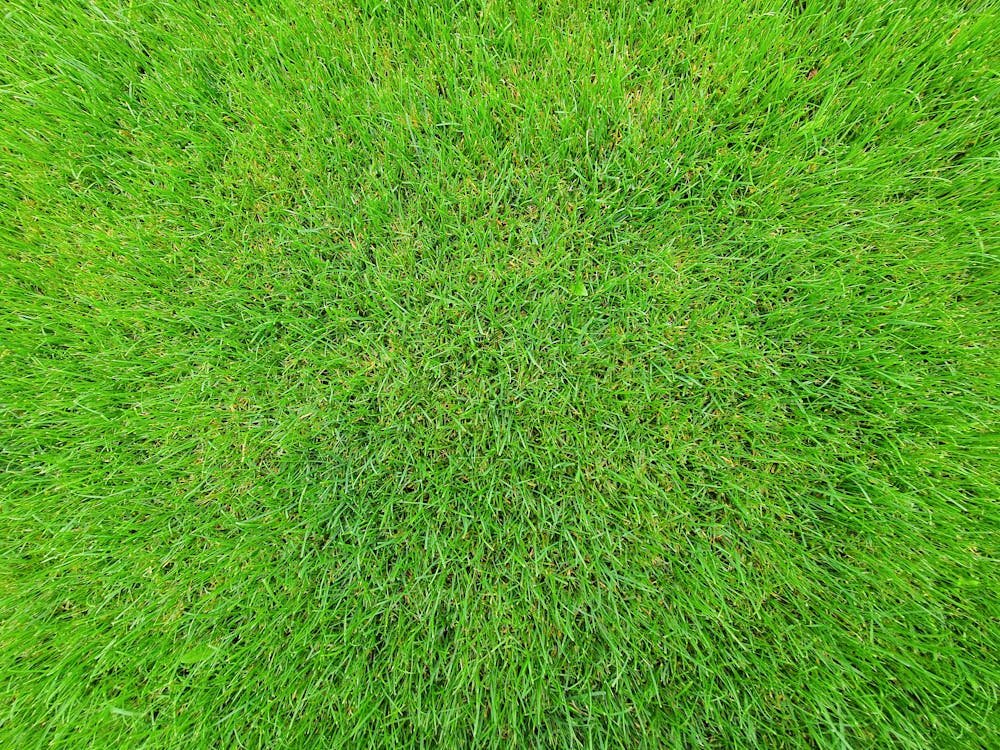
Kentucky Bluegrass is the quintessential American lawn grass—the deep emerald green, fine-bladed, luxurious turf that comes to mind when most people picture a perfect lawn. It’s the grass of northern front yards, sports fields, and golf fairways from Maine to Montana. But its reputation for beauty comes with a requirement for proper care. Here’s how to grow Kentucky Bluegrass at its best.
Kentucky Bluegrass Overview
Scientific name: Poa pratensis Classification: Cool-season perennial grass Best regions: Northern US, upper Midwest, Mountain West, New England, Pacific Northwest Climate zones: USDA zones 2–6
Kentucky Bluegrass originated in Europe and northern Asia (despite its name) and is perfectly adapted to cool, humid northern climates. It’s known for several distinctive traits:
Self-repairing: Unlike bunch-type grasses, bluegrass spreads aggressively via rhizomes (underground runners). This allows it to fill in bare spots and recover from damage without overseeding—a significant advantage.
Rich color: The deep blue-green color that gives this grass its name is among the most attractive of any turfgrass.
Fine texture: Narrow blades and dense growth create a smooth, uniform surface.
Cold hardiness: Exceptional tolerance to harsh winters; survives in zones 2 and 3 where few other grasses can.
Summer dormancy: Goes brown and dormant during hot, dry summers—then greens up reliably in fall.
Kentucky Bluegrass Varieties
There is tremendous variation among bluegrass cultivars, and variety selection matters for performance:
Classic varieties: Merion (disease-susceptible), Park (common in older lawns), Fylking.
Disease-resistant varieties: Midnight, Moonlight, Bedazzled, Bewitched—improved resistance to leaf spot, stripe smut, and summer patch.
Compact types: Kenblue, Baron—denser growth, better wear tolerance.
Shade-tolerant: Ram I, Glade—moderate improvement but still not a true shade grass.
Best practice: Use a blend of 3–5 Kentucky Bluegrass varieties rather than a single variety. Different varieties offer different disease resistance traits; a blend means that if one variety is susceptible to a particular disease, others in the blend will be resistant. Our guide to the best grass seed for your lawn can help you compare bluegrass blends and understand what the label quality ratings mean.
Mowing Kentucky Bluegrass
Recommended height:
- Spring/fall: 2.5–3 inches
- Summer: 3–3.5 inches
- Minimum: 2 inches (never lower)
Kentucky Bluegrass is moderately sensitive to scalping. Cutting too short during summer heat quickly leads to stress and thinning. During active spring and fall growth, lower heights are fine; raise during July–August heat.
Mowing frequency: Every 5–7 days during peak spring and fall growth; every 7–10 days in summer.
The one-third rule: As with all grasses, never remove more than one-third of the blade in a single mowing. During spring surges, this may mean mowing every 4–5 days.
Striping: Kentucky Bluegrass’s upright growth habit makes it ideal for creating the alternating light and dark stripe patterns seen on baseball diamonds and golf courses. Use a striping kit or a roller behind your mower.
Watering Kentucky Bluegrass
Kentucky Bluegrass has moderate drought tolerance but is less drought-resistant than tall fescue. In hot summers without irrigation, it goes dormant.
Active growth water needs: 1–1.5 inches per week
Summer drought management options:
- Maintain green: Irrigate consistently to keep bluegrass active (1.5 inches per week in peak heat)
- Allow dormancy: Reduce to ½ inch per week to maintain plant survival; grass greens up when fall arrives
- Mixed approach: Maintain some irrigation but accept reduced appearance
Warning: Don’t alternate between full irrigation and dormancy—fluctuating between the two states stresses the grass and causes patchy recovery.
Watering schedule: Apply ¾–1 inch in one or two sessions early in the week; allow to dry slightly before the next session. Always water in early morning.
Fertilizing Kentucky Bluegrass
Bluegrass has moderate to high nitrogen needs and benefits from a well-timed annual program.
Annual nitrogen budget: 3–5 lbs of actual nitrogen per 1,000 sq ft per year
Fertilizer Schedule
Fall (September): Primary feeding. Apply 0.75–1 lb N per 1,000 sq ft after aerating. This is the most important application of the year. A well-structured lawn fertilizer schedule ensures you hit all the key windows—from the fall primary feed through the spring light application—without overdoing nitrogen during vulnerable periods.
Fall Winterizer (October–November): Apply 0.75–1 lb N per 1,000 sq ft using a high-potassium winterizer formula. Stores nutrients in roots for winter survival and strong spring green-up.
Spring (April–May): Apply 0.75–1 lb N per 1,000 sq ft as grass is actively growing. Use slow-release to avoid burn risk.
Late Spring (May–June): Optional feeding of 0.5–0.75 lb N per 1,000 sq ft. Final application before summer.
Skip summer fertilizing: Feeding dormant or heat-stressed bluegrass in July–August causes burn and disease. Wait for fall.
Aeration: Critical for Kentucky Bluegrass
Kentucky Bluegrass forms dense rhizomes that compact the soil over time and can contribute to thatch buildup. Annual or biennial aeration is essential.
Best aeration time: Late August to mid-September (coincides with ideal overseeding time) Equipment: Core aerator (removes plugs)—spike aeration is not effective for compaction relief
After aeration:
- Overseed immediately to introduce improved varieties
- Apply fall fertilizer—nutrients enter the root zone through aeration holes
- Water regularly for several weeks if overseeding
Aeration alone can dramatically improve a struggling Kentucky Bluegrass lawn by relieving compaction, reducing thatch, and improving water/nutrient penetration.
Disease Management
Kentucky Bluegrass is susceptible to several fungal diseases:
Necrotic Ring Spot: Circular rings of dead grass with green centers. Appears in summer on compacted soils. Manage with core aeration, avoid excess nitrogen, apply fungicide (azoxystrobin) if severe.
Summer Patch: Similar to necrotic ring spot but slightly different pattern. Favored by compaction and thatch. Core aeration is the primary prevention.
Dollar Spot: Small, silver-dollar-sized spots. Common when nitrogen is deficient. Light fertilization usually resolves it.
Leaf Spot/Melting Out: Brown spots on blades; in severe cases, entire plants die. Use disease-resistant varieties; avoid excess nitrogen in spring.
Best disease prevention: Plant a blend of resistant varieties, core aerate annually, avoid excess spring nitrogen, and maintain proper mowing height.
Overseeding Kentucky Bluegrass
Despite its ability to fill in via rhizomes, Kentucky Bluegrass benefits from periodic overseeding to introduce improved disease-resistant varieties and maintain density.
When to overseed: Late August through September Seeding rate: 1–2 lbs per 1,000 sq ft for overseeding Seed type: Quality Kentucky Bluegrass blend (3+ varieties); look for endophyte-enhanced varieties
Note: Kentucky Bluegrass is one of the slowest-germinating turfgrasses (14–21 days). Early fall seeding is essential to allow establishment before cold weather. Follow the steps in our guide on how to plant grass seed to give your overseeding the best possible start.
Common Kentucky Bluegrass Problems
Summer thinning/dormancy: Normal response to heat; plan for it with fall overseeding and fall aeration. A complete fall lawn care guide covers the full sequence of aeration, overseeding, and winterizer fertilizer that keeps Kentucky Bluegrass thriving year after year. Slow germination: Normal; expect 14–21 days minimum. Keep soil moist continuously. Snow mold: Gray or pink fuzzy patches after snow melt. Rake out affected areas; apply fungicide if severe. Striped appearance: Often indicates uneven fertilizer application; use two-pass application technique.
Is Kentucky Bluegrass Right for You?
Yes, if:
- You’re in zones 3–6 with cold winters
- You want a lush, premium-appearance lawn
- Full sun is available (6+ hours)
- You’re willing to irrigate in summer
Consider alternatives if:
- You’re in a transition zone (consider tall fescue instead)
- Your yard has significant shade
- You want minimal irrigation (tall fescue or fine fescue are more drought-tolerant)
Kentucky Bluegrass, grown with proper care, produces one of the most beautiful lawns in the world. Provide the right growing conditions, time your fall care perfectly, and this iconic grass will reward you with a lawn your neighbors will admire.