How to Grow Herbs in Your Garden or Pots
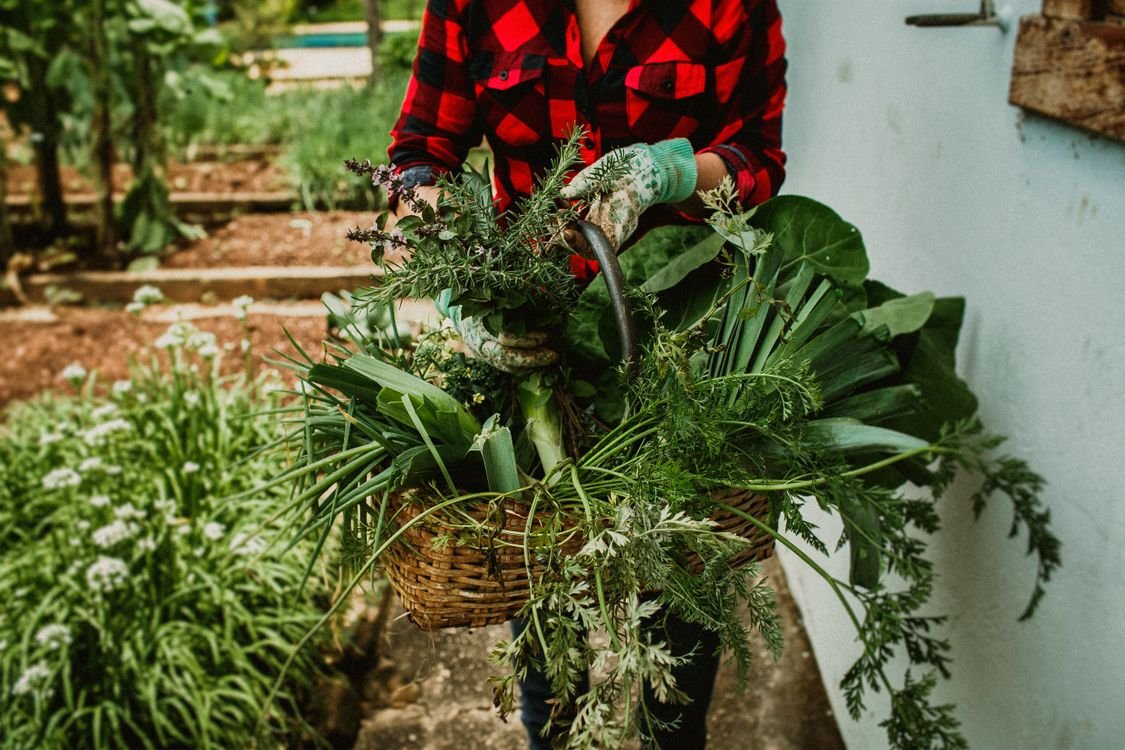
An herb garden is one of the most practical and rewarding things you can grow. Fresh herbs transform cooking—the difference between dried basil from a jar and a handful of fresh basil leaves is like comparing a photograph to the real thing. And herbs are among the easiest, most low-maintenance plants in the garden. They grow beautifully alongside salad greens—read our guide on how to grow lettuce and salad greens to plan a complete fresh-food garden.
Whether you have a large garden bed, a small balcony, or just a sunny windowsill, you can grow herbs successfully.
The Most Useful Herbs to Grow
Focus on what you actually cook with. Here are the most kitchen-useful herbs and their basic requirements:
Basil
Type: Annual; frost-sensitive Light: Full sun (6–8+ hours) When to plant: After last frost; basil loves heat Best uses: Italian cooking, pesto, pizza, caprese salads, cocktails
The queen of summer herbs. Fresh basil is dramatically superior to dried. Requires full sun and warmth—grows slowly in cool conditions.
Parsley
Type: Biennial (usually grown as annual) Light: Full sun to partial shade When to plant: Early spring; slow to germinate (2–3 weeks) Best uses: Mediterranean cooking, garnishes, tabbouleh, stocks
Two types: flat-leaf (Italian) has better flavor; curly has more visual appeal. A slow starter but very productive once established.
Chives
Type: Hardy perennial Light: Full sun to partial shade When to plant: Early spring or fall Best uses: Soups, eggs, salads, anywhere you want mild onion flavor
One of the best herbs for beginners—plant once and harvest for years. Beautiful purple flowers in spring. Divide clumps every 3–4 years to keep them vigorous.
Mint
Type: Hardy perennial Light: Full sun to partial shade When to plant: Spring Best uses: Drinks, desserts, Middle Eastern cooking, herbal tea
Warning: Mint is aggressively invasive. Grow it in containers to prevent it from taking over your garden. Spearmint and peppermint are the most useful types; chocolate mint and apple mint for variety.
Thyme
Type: Hardy perennial Light: Full sun When to plant: Spring Best uses: Roasted meats, soups, vegetable dishes, lemon thyme in baking
Extremely drought-tolerant and low-maintenance once established. Works beautifully as a low border plant. English thyme is most versatile; lemon thyme adds citrus flavor.
Rosemary
Type: Tender perennial (hardy to Zone 7; annual in colder climates) Light: Full sun (8+ hours) When to plant: Spring after frost (transplant from pot) Best uses: Roasted meats, breads, potatoes, grilling
Rosemary thrives in hot, dry conditions and needs excellent drainage. In Zone 7 and above, it grows into a shrub over years. In colder climates, grow in containers and bring indoors for winter.
Oregano
Type: Hardy perennial Light: Full sun When to plant: Spring Best uses: Italian and Greek cooking; pizza, pasta, grilled meats
Low-maintenance and drought-tolerant. Greek oregano has the best flavor. Grows into a 2-foot mound that spreads moderately.
Cilantro
Type: Annual cool-season herb Light: Full sun to partial shade When to plant: Early spring; again in fall (bolts in summer heat) Best uses: Mexican, Southeast Asian, and Indian cooking; salsa, guacamole
Cilantro’s biggest challenge: it bolts (goes to flower and seed) in summer heat, ending the leaf harvest. Plant in early spring and again in late summer for fall harvest. Slow-bolting varieties: Slow Bolt, Santo.
Dill
Type: Annual Light: Full sun When to plant: Early spring; direct-sow only (doesn’t transplant well) Best uses: Pickling, fish, potato salad, Scandinavian dishes
Tall and feathery; needs a wind-protected spot. Plant multiple successions. Seeds (dill seed) and leaves (dill weed) are both useful.
Sage
Type: Hardy perennial Light: Full sun When to plant: Spring Best uses: Poultry stuffing, butter sauce, Italian cooking
Drought-tolerant and decorative. Common sage, purple sage, and golden sage all have similar flavor; variegated types are especially attractive.
In-Ground Herb Garden
Location
Choose a spot with 6+ hours of sun (most herbs need full sun) near the kitchen for convenience. Good drainage is essential—most herbs are Mediterranean in origin and strongly dislike wet feet. If you’re building out a full kitchen garden, our guide on how to start a vegetable garden from scratch covers location, layout, and first-year planning.
Soil
Herbs prefer:
- Well-drained soil (sandy loam is ideal)
- Moderate fertility—not too rich
- pH 6.0–7.0
Avoid over-amending: Herbs in very rich soil often produce lush but flavorless growth. Most herbs actually produce more aromatic oils when grown in slightly lean conditions.
Separating Herbs
Mint: Always grow in containers or buried containers (sink a 5-gallon bucket with drainage holes into the ground) to prevent spreading.
Invasive herbs: Oregano, lemon balm, and bee balm can spread aggressively. Plant where you want them and they can fill a space, or contain them.
Separate annual and perennial herbs: Since you’ll be replanting annual herbs each year, grouping them separately from permanent perennials makes sense.
Container Herb Garden
Containers work beautifully for herbs—especially for apartments, small spaces, and keeping invasive mint contained.
Container Selection
- Size: At least 6 inches diameter per herb; larger for vigorous growers
- Drainage: Essential—drainage holes are non-negotiable. Herbs in waterlogged containers die quickly.
- Material: Terracotta is traditional and breathes well; plastic retains moisture better (good for moisture-lovers like parsley, chives)
Soil for Containers
Use a quality potting mix—not garden soil, which compacts in containers. Add 10–20% perlite to improve drainage.
Avoid: Heavy potting mixes with slow-release fertilizer beads if you’re growing for flavor—moderate fertility produces more aromatic, flavorful herbs.
Container Combinations
Group herbs with similar water needs:
- Mediterranean herbs (drought-tolerant): Rosemary, thyme, sage, oregano—group together
- Moisture-tolerant herbs: Basil, parsley, chives, mint—group together
Mixing drought-tolerant rosemary with thirsty basil in the same pot leads to one thriving and one suffering.
Watering Herbs
Water needs vary dramatically by herb type:
Mediterranean herbs (rosemary, thyme, sage, oregano, lavender): Allow soil to dry partially between waterings. Overwatering kills these herbs faster than underwatering.
Annual herbs (basil, cilantro, dill, parsley): Need more consistent moisture; allow top inch to dry between waterings.
General rule: Better to water less than too much. Most herb deaths are from overwatering.
Container herbs: Need more frequent watering than in-ground—especially in summer heat. Check daily in peak summer.
Fertilizing Herbs
In-ground herbs: A spring application of compost is usually sufficient. Avoid high-nitrogen fertilizers—they reduce flavor intensity.
Container herbs: Nutrients leach faster from pots; apply a liquid organic fertilizer monthly at half strength.
Harvesting Herbs
The Harvesting Principle
Harvest regularly to encourage more growth. Most herbs produce more when harvested frequently—the plant’s response to losing leaves is to produce more.
Never remove more than ⅓ of the plant at once (except for end-of-season harvests).
Harvest in the morning after dew dries but before midday heat—essential oils are most concentrated.
Preventing Bolting
When herbs flower (bolt), leaf production slows and flavor changes. To delay bolting:
Pinch flower buds: As soon as you see flower buds forming (basil, cilantro, chives), pinch or cut them off. This redirects energy to leaf production.
For basil: Pinch the top growing tip regularly (every time you harvest). This causes branching and dramatically increases total leaf production.
Harvesting Different Herbs
- Basil: Cut stems just above a leaf node; the stem will branch and produce more
- Parsley: Cut outer stems at the base; let inner growth continue
- Chives: Cut bunches to within 2 inches of the ground; they regrow quickly
- Rosemary/thyme/sage: Harvest stem tips; cut no more than ⅓ of the stem length
Preserving the Harvest
Refrigerator storage: Most fresh herbs last 1 week. Store like flowers—stems in water, covered loosely with a bag.
Freezing: Many herbs freeze well. Blend basil or other soft herbs with olive oil; pour into ice cube trays; freeze and transfer to bags. Use cubes directly in cooking.
Drying: Tie bunches and hang upside-down in a warm, ventilated space for 1–2 weeks. Works best for thyme, rosemary, oregano, sage, and lavender. Less effective for basil and parsley (freeze these instead).
Growing herbs is one of the most instantly gratifying and practical garden activities available. Start with 3–5 of the herbs you cook with most often, and let your collection grow from there. A dedicated raised bed keeps herbs organized and productive—follow our guide on how to build a raised garden bed to create the perfect home for your herb collection.