How to Grow Cucumbers in Your Garden
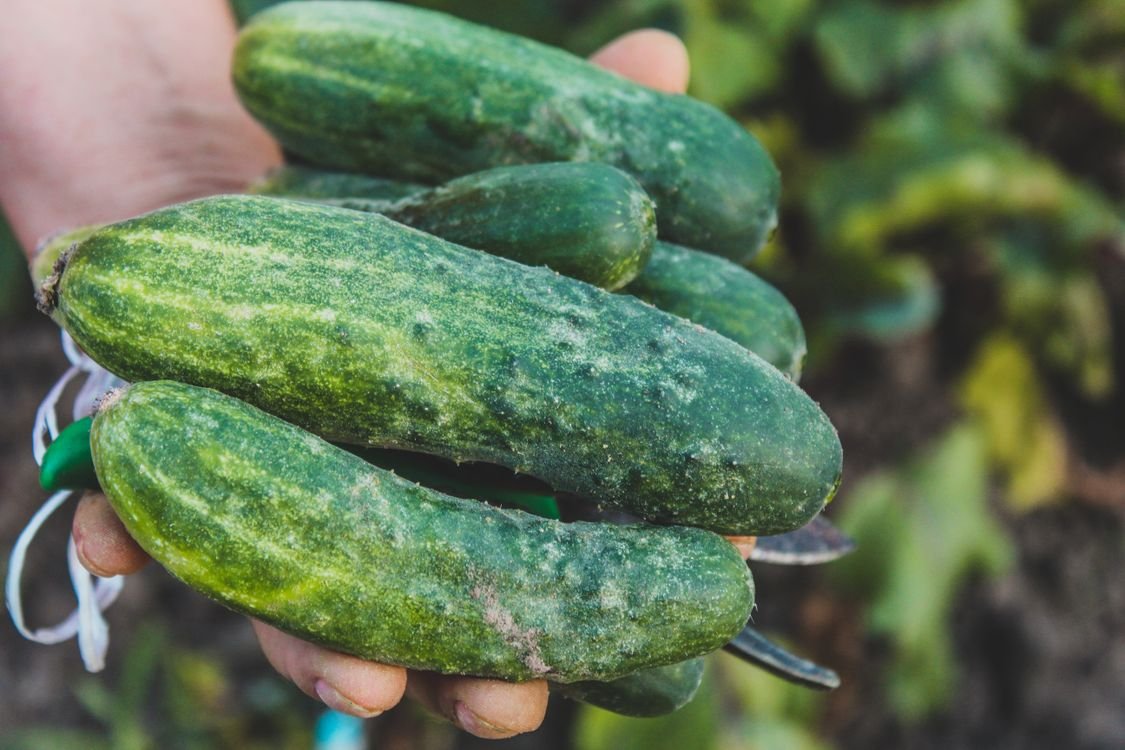
Fresh cucumbers from the garden taste nothing like the waxed, refrigerator-cold versions from the grocery store. Crisp, fragrant, and sweet, a garden-grown cucumber eaten within hours of picking is a revelation. The good news: cucumbers are one of the most productive and relatively easy warm-season vegetables for the home garden—right up there with tomatoes and zucchini as some of the best vegetables to grow at home.
Cucumber Types: Slicing, Pickling, and Specialty
Slicing cucumbers: Long (6–9 inches), dark green; bred for fresh eating. Thin skin, mild flavor. Examples: Marketmore 76, Straight Eight, Tasty Green, English varieties.
Pickling cucumbers: Shorter (3–5 inches), bumpy skin, thinner walls that allow brine penetration. Also excellent for fresh eating when picked small. Examples: National Pickling, Calypso, Homemade Pickles.
Specialty/burpless cucumbers: Armenian, English, Japanese, and lemon cucumbers. Often seedless or nearly so, very mild, thin-skinned. Great for people who find regular cucumbers hard to digest.
Bush vs. vining: Most cucumbers are vining and produce more total fruit. Bush varieties (Spacemaster, Bush Pickle) are more compact—good for small spaces and containers.
When to Plant Cucumbers
Cucumbers are strictly warm-season plants that are extremely frost-sensitive.
Plant outdoors when:
- All frost danger has passed
- Soil temperature is 65°F or above (70°F ideal)
- Nighttime temps stay above 55°F
Cold soil delays germination significantly and makes transplants sulky. Better to wait an extra week than to plant into cold soil.
Direct-sow vs. transplants:
- Cucumbers are often direct-sown because they don’t like root disturbance
- If starting indoors, use biodegradable pots (peat pots, soil blocks) to transplant without disturbing roots; start only 2–3 weeks before transplant date
- In most regions, direct sowing at the appropriate time works best
Succession planting: For continuous harvest, plant again 3–4 weeks after your first planting. This extends the productive season and provides backup if your first planting has problems.
Sunlight and Location
Cucumbers need full sun—at least 6 hours, but 8+ hours produces the most fruit. They’re prolific heat lovers; more sun generally means more cucumbers.
Choose a spot with good air circulation to reduce disease pressure (powdery mildew in particular).
Soil Preparation
Cucumbers prefer:
- Rich, well-drained soil (pH 6.0–7.0)
- High organic matter
- Consistent moisture but never waterlogged
Prepare beds by working in 3–4 inches of compost. Add a balanced vegetable fertilizer at planting per label rates. Cucumbers are moderate-to-heavy feeders and respond well to compost-rich soil.
Planting
Direct sowing in ground: Plant seeds 1 inch deep; 3–4 seeds per hill (group), with hills spaced 3 feet apart. Thin to 2 strongest seedlings per hill when 2–3 inches tall.
In rows: Plant 2–3 seeds every 12 inches; thin to 12-inch spacing.
In raised beds: Plant 12 inches apart and train vertically on a trellis. Raised beds are ideal for cucumbers—if you haven’t built one yet, our guide on how to build a raised garden bed walks you through every step.
In containers: Use a 15-gallon (or larger) container; add a trellis or stake. Bush varieties work better in containers.
Trellising: Grow Up, Not Out
Growing cucumbers vertically on a trellis is one of the best practices in cucumber growing:
- Saves space: A trellis allows you to grow 3–4x more plants in the same footprint
- Better air circulation: Reduces powdery mildew and other fungal diseases
- Easier harvesting: Cucumbers hanging vertically are easy to spot; ground-level cucumbers hide under leaves and are frequently missed
- Straighter fruit: Hanging cucumbers grow straight; ground-level cucumbers often curve
Trellis options:
- 6-foot cattle panel bent into an arch
- A-frame trellis made from wood and netting
- Garden netting attached to a fence or posts
- Tomato cages (for bush varieties)
Train vines up the trellis by gently weaving them or using soft ties. They’ll grab with their tendrils once they reach the support.
Watering Cucumbers
Consistent moisture is critical for cucumbers—they’re 95% water, and that water has to come from somewhere.
Water requirements: 1–1.5 inches per week; more during heat waves.
Consistency matters: Irregular watering (alternating drought and flood) produces bitter cucumbers. The bitterness compound (cucurbitacin) is produced by stressed plants. Consistent moisture = mild, sweet cucumbers.
How to water: At the base of plants, not overhead. Wet foliage encourages powdery mildew. Morning watering is ideal. Drip irrigation is perfect for cucumbers.
Mulch: Apply 2–3 inches of straw or wood chip mulch around plants to retain moisture, regulate soil temperature, and reduce disease splash from soil.
Fertilizing Cucumbers
At planting: Balanced vegetable fertilizer worked into the soil.
During growth: Apply a balanced liquid fertilizer (10-10-10 or similar) every 2–3 weeks once plants are established.
During fruiting: Cucumbers are heavy producers—feed every 2 weeks with a fertilizer slightly lower in nitrogen (to maintain balance between foliage and fruit).
Signs of nutrient needs:
- Pale, yellow leaves: likely nitrogen deficiency; apply balanced fertilizer
- Bitter fruit: usually stress-related (watering, heat); ensure consistent moisture
Pollination and Fruit Set
Cucumber plants produce separate male and female flowers. Bees and other pollinators carry pollen from male to female flowers; without this, no fruit develops.
Male flowers appear first (2–3 weeks after transplanting)—they’ll open and drop without setting fruit. This is normal; female flowers follow.
Female flowers have a tiny cucumber at the base of the petals. If well-pollinated, this develops into a full-sized cucumber. If poorly pollinated, the small cucumber yellows and drops.
If fruit set is poor:
- Hand-pollinate: Use a small paintbrush to transfer pollen from a male flower to the center of a female flower
- Plant flowers nearby to attract bees
- Avoid spraying insecticides when flowers are open
Pest and Disease Management
Cucumber Beetles
Spotted and striped cucumber beetles are the primary insect pest of cucumbers. They eat foliage, damage fruit, and—most seriously—transmit bacterial wilt, which causes plants to collapse suddenly.
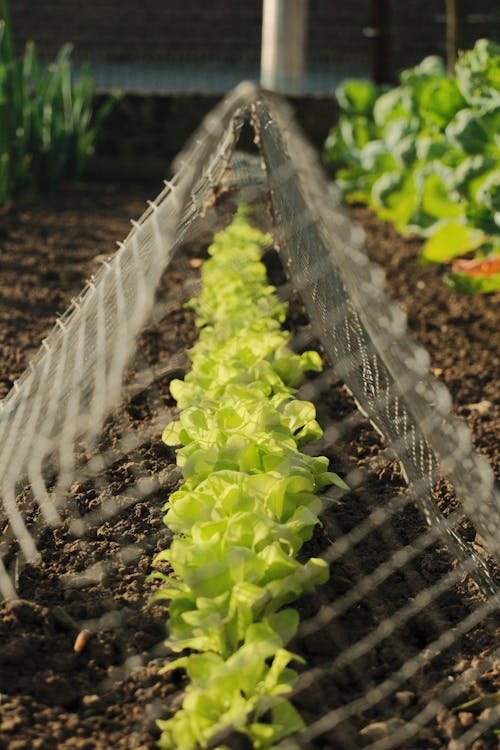
Control: Row cover fabric from transplanting until flowering excludes beetles. Remove covers once flowers appear (bees needed for pollination). Spinosad or pyrethrin for active infestations.
Powdery Mildew
White powdery coating on leaves; very common in late summer. Rarely kills plants but reduces productivity.
Prevention: Good air circulation; avoid overhead watering. Treatment: Potassium bicarbonate spray; neem oil; resistant varieties (look for “PM” or powdery mildew resistance).
Aphids
Clusters on new growth and undersides of leaves. Knock off with a strong water spray; apply insecticidal soap for persistent infestations.
Harvesting Cucumbers
This is the most important cucumber growing tip: harvest frequently.
Cucumbers left on the vine past peak maturity:
- Become seedy, bitter, and watery
- Signal the plant to slow or stop producing
When to harvest slicing types: When 6–8 inches long (before seeds inside become large and hard)—usually firm, dark green.
When to harvest pickling types: 3–5 inches for pickling; can be harvested smaller.
Check every 1–2 days: Cucumbers grow fast—a cucumber that is perfect today may be overgrown in 48 hours.
How to harvest: Use a knife or pruning shears; don’t tug or twist, as this can damage the vine. Leave a small stem on the fruit.
End-of-season care: When plants slow down in late summer, allow one cucumber to fully mature and turn yellow—it’ll signal the plant this is the end of season. Compost plant material; rotate your growing location the following year.
A productive cucumber plant can yield 10–20 cucumbers over the season. Grow 2–3 plants and you’ll have more cucumbers than you can eat—perfect for pickling, sharing, or making cucumber water all summer. Cucumbers pair beautifully with tomatoes and zucchini to fill out a productive summer garden.