Garden Tools Every Homeowner Should Have
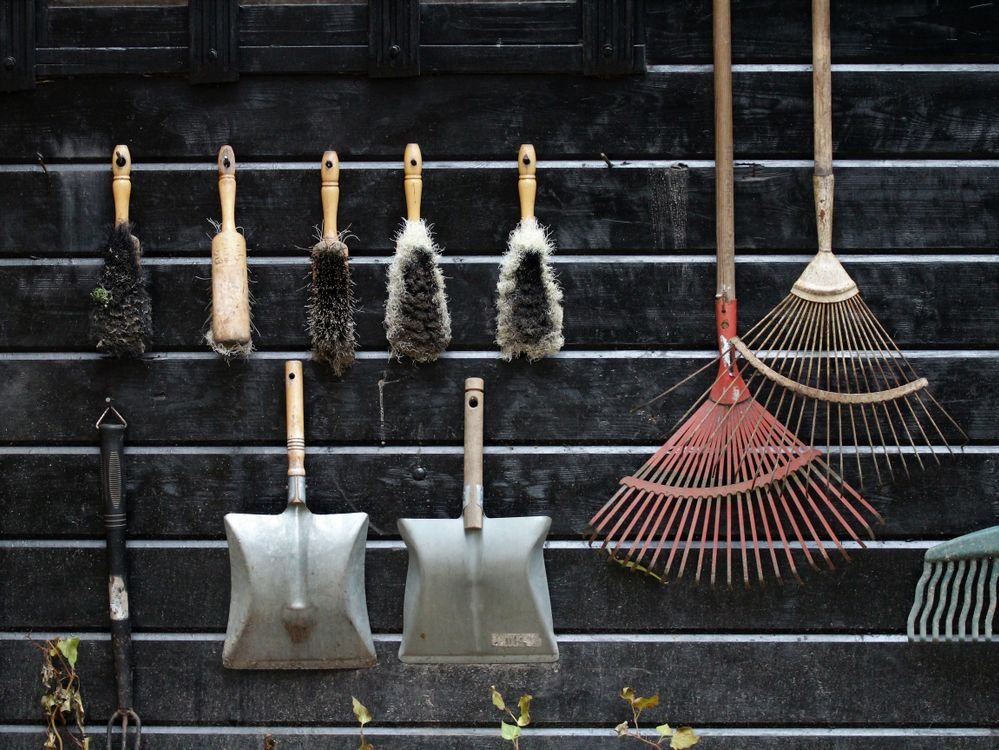
You don’t need a shed full of specialized equipment to maintain a beautiful lawn and garden. A thoughtfully chosen set of quality tools—covering the basics of digging, cutting, raking, and watering—will serve you for decades. Whether you’re also setting up a raised garden bed or starting a vegetable garden from scratch, this toolkit will handle both. This guide walks through the essential tools every homeowner should have, why each one matters, and what to look for when buying.
The Philosophy of Quality Tools
Before diving in, one principle worth establishing: buy fewer tools and buy them at better quality.
A $15 shovel from a discount store will feel fine in the store and fail in 2 seasons. A $60–$80 high-quality shovel with a solid-forged blade and hardwood or fiberglass handle will last 20+ years with basic care. Over a 20-year period, the cheap shovel bought and replaced multiple times costs more than the quality purchase.
Look for:
- Forged metal over cast or stamped for striking and digging tools
- Solid tang construction (the metal extends as a solid piece into the handle) rather than socket construction (metal cup that the handle fits into)
- Hardwood (ash, hickory) or fiberglass handles on heavy tools
- Stainless steel for hand tools (won’t rust)
Brands known for quality: Radius Garden, Fiskars (hand tools), DeWit, Bully Tools, Corona, Felco (pruners).
Essential Digging and Planting Tools
Round-Point Shovel
What it’s for: The workhorse of the garden. Digging holes for planting, edging beds, transplanting, moving soil and compost.
What to look for: Forged blade (not stamped); 4-inch step (the flat edge where you press with your foot) for foot power; appropriate handle length for your height (most are 46–48 inches for adults).
Price range: $40–$90 for quality
Garden Spade
What it’s for: More precise digging, edging, cutting sod, working in tight spaces. The flat, straight blade cuts cleanly where a shovel’s curved blade won’t.
What to look for: Same as shovel—forged blade, sturdy handle, comfortable D-grip for control.
Price range: $45–$90
Hand Trowel
What it’s for: The hand-scale equivalent of a shovel. Digging holes for seedlings, bulb planting, potted plants, weeding, and transplanting in tight spaces.
What to look for: Stainless steel blade (rust-proof); solid one-piece construction (blade and handle as one piece); comfortable grip. Avoid cheap versions with hollow handles—they break quickly.
Price range: $15–$35
Garden Fork
What it’s for: Loosening soil, breaking up clumps, turning compost, harvesting root vegetables, aerating planting beds.
What to look for: Forged tines (not welded stamped tines); 4-tine design for most uses.
Price range: $50–$90
Cutting and Pruning Tools
Hand Pruning Shears (Pruners)
What it’s for: Cutting stems, branches, and twigs up to ¾ inch in diameter. Daily use for deadheading, harvesting, and light pruning.
Types:
- Bypass pruners: Two curved blades that bypass each other like scissors—make clean cuts that don’t crush plant tissue. Use for live wood.
- Anvil pruners: One sharp blade meets a flat anvil—good for dead wood but can crush live stems. Less preferred for most gardening.
Quality pick: Felco #2 is the gold standard of bypass pruners; incredibly durable, precise, rebuildable with replacement parts.
Price range: $25–$85 (quality bypass pruners); Felco runs $45–$60
Loppers
What it’s for: Cutting branches 1–2 inches in diameter that are too large for hand pruners. Long handles provide leverage.
What to look for: Bypass design (not anvil); gear-assist mechanism for easier cutting (available in mid-range models); non-stick coated blades.
Price range: $30–$80
Pruning Saw
What it’s for: Branches over 2 inches that loppers can’t handle. Much more precise than a chainsaw for close work.
What to look for: Folding design for safety and storage; pull-stroke cutting action (Japanese-style saws cut on the pull stroke and are extremely efficient).
Price range: $25–$60
Garden Shears / Hedge Clippers
What it’s for: Shaping hedges, deadheading, cutting back ornamental grasses, general trimming.
Types: Hand shears (manual); electric hedge trimmers (corded or battery); battery shears.
Price range: $20–$40 (hand shears); $50–$150 (battery hedge trimmer)
Raking and Cultivating Tools
Leaf Rake
What it’s for: Raking leaves, collecting debris, light surface dethatching, distributing compost topdressing.
What to look for: Wide head (24+ inches) for efficiency; flexible metal or polypropylene tines; comfortable handle length.
Price range: $20–$45
Bow Rake (Garden Rake)
What it’s for: Leveling soil, breaking up clumps, removing rocks and debris, raking gravel, creating smooth seedbeds. Much sturdier than a leaf rake.
What to look for: Heavy-gauge steel tines; solid socket or tang construction; 14–16 tine head.
Price range: $35–$70
Hand Cultivator / Hand Fork
What it’s for: Close-in weeding, breaking up soil crust around plants, loosening soil for seeding, incorporating fertilizer or compost around plants.
What to look for: Stainless steel tines; solid construction; comfortable grip.
Price range: $15–$30
Hoe
What it’s for: Weeding (the most important use); creating planting furrows; hilling soil around plants.
Types:
- Standard hoe: Flat blade pushed into soil to sever weed roots at soil level
- Stirrup/hula hoe: Cuts weeds on both forward and back stroke—very efficient
- Oscillating hoe: Similar to stirrup; excellent for cultivating between rows
Best choice: A stirrup or oscillating hoe dramatically outperforms a standard hoe for weeding efficiency.
Price range: $25–$60
Watering Tools
Garden Hose
What it’s for: Everything involving water delivery.
What to look for: Expandable or rubber hose (more durable than cheap PVC); ½–⅝ inch diameter; brass fittings (not plastic).
Price range: $30–$80 for quality
Spray Nozzle
What it’s for: Controlling water flow for different applications. Adjustable nozzles let you go from gentle mist (new seedlings) to powerful jet (cleaning off tools).
What to look for: Metal or heavy-duty construction; multiple spray patterns; thumb control (one-handed operation).
Price range: $15–$40
Watering Can
What it’s for: Gentle watering of seedlings, containers, and transplants; mixing liquid fertilizer; applying compost tea.
What to look for: At least 2-gallon capacity; long spout for reaching into beds; rose head (the perforated attachment) for gentle watering.
Price range: $25–$60
Maintenance and Miscellaneous
Kneeling Pad or Garden Kneeler
Why you need it: Prolonged kneeling on hard soil causes real discomfort and joint strain. A quality foam kneeler or padded garden kneeler (that converts to a seat) makes working in the garden dramatically more comfortable.
Price range: $15–$60
Wheelbarrow or Garden Cart
What it’s for: Moving soil, compost, mulch, plants, debris, tools. Transforms any multi-trip job into one efficient haul.
Types:
- Single-wheel wheelbarrow: Good maneuverability; good for slopes; harder to balance when heavily loaded
- Two-wheel garden cart: More stable; easier to load/unload; less maneuverable in tight spaces
Price range: $80–$200
Gardening Gloves
Why you need them: Blisters, thorns, rough materials, and soil-borne bacteria are all real hazards.
What to look for: Leather or leather-palm gloves for protection with tools; thinner nitrile-coated gloves for dexterity in weeding and transplanting.
Price range: $10–$30
Building Your Tool Kit Over Time
You don’t need to buy everything at once. Priority order:
Start with (Year 1): Shovel, hand trowel, leaf rake, hand pruners, garden hose + nozzle, gloves
Add next: Hoe, bow rake, loppers, watering can, kneeling pad
Eventually: Pruning saw, garden fork, wheelbarrow, hand cultivator, specialty tools
Care for your tools and they’ll last decades:
- Clean soil off metal surfaces after each use
- Dry before storing (prevents rust)
- Sharpen cutting edges annually
- Oil wooden handles once a year
- Store in a dry location off the ground
A well-maintained set of quality garden tools is a one-time investment that serves you for your entire gardening life. Once your toolkit is in order, put it to work by starting a composting system at home — a natural next step that turns yard and kitchen waste into the best soil amendment available.