Fall Lawn Care: How to Prepare Your Grass for Winter
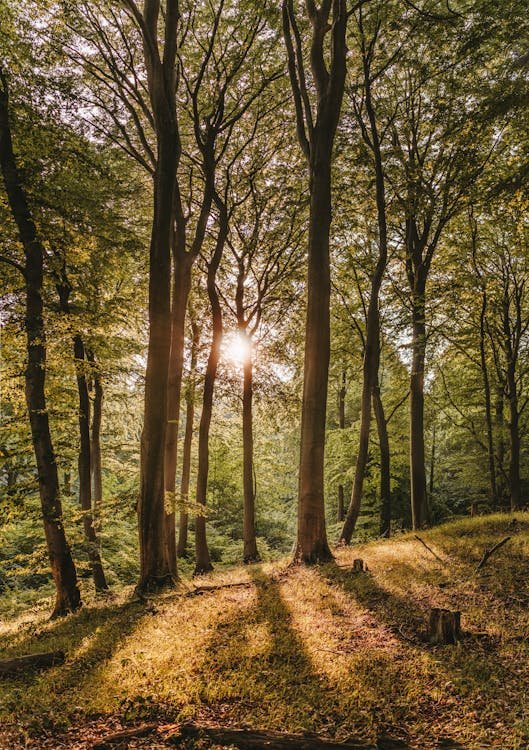
Fall is the single most important season for cool-season lawns—and one of the two critical seasons for warm-season grasses. The work you do in September through November directly determines how healthy your lawn is the following spring. Skip fall lawn care and you’ll spend the entire next growing season playing catch-up. Do it right and your lawn will emerge in spring greener, thicker, and more weed-resistant than ever. Fall tasks slot into a complete seasonal lawn care guide that shows how each season’s work builds on the last.
Why Fall Lawn Care Is So Critical
For cool-season grasses (Fescue, Bluegrass, Ryegrass), fall provides:
- Optimal growing temperatures (60–75°F)
- Natural rainfall reducing irrigation burden
- A long root-development period before winter
- The best window for seeding, aeration, and fertilizing
For warm-season grasses (Bermuda, Zoysia, St. Augustine), fall is when:
- Preparing for dormancy is critical (proper nutrition, pest control)
- Winter overseeding opportunity (for green winter color)
- Cold hardiness improvements are possible with potassium application
Task 1: Aerate (September–October)
Core aeration should be at the top of your fall lawn care list. It’s the most impactful single task you can do. The complete lawn aeration guide walks through timing, equipment, and technique in detail.
Why now? Aeration is best when the grass is growing vigorously enough to recover quickly. For cool-season grass, this window is late August through mid-October. For warm-season grass, late spring through early summer.
What aeration does:
- Relieves soil compaction that accumulated through summer foot traffic
- Creates channels for water, air, and nutrients to reach the root zone
- Breaks up thatch
- Creates perfect seed pockets for overseeding
How to do it: Rent a gas-powered core aerator from a home improvement store ($60–$100/day). Make two passes in perpendicular directions. Leave the soil cores on the surface to break down naturally.
After aerating: Overseed, fertilize, and water for maximum benefit from the holes created.
Task 2: Overseed Cool-Season Lawns (September)
Fall overseeding is the most effective way to thicken, rejuvenate, and repair a cool-season lawn. For a full step-by-step walkthrough, see the guide on how to overseed your lawn.
Best timing: Mid-August through September (early fall for most cool-season regions). Soil is warm enough for fast germination; air temperatures are cool enough to reduce stress on new seedlings.
How to overseed:
- Mow existing grass to 1.5–2 inches; bag clippings
- Aerate the lawn (do this before overseeding)
- Spread seed at the overseeding rate for your grass type
- Apply starter fertilizer
- Water daily for 2–3 weeks until seedlings establish
Seed rates:
- Tall Fescue: 4–6 lbs per 1,000 sq ft
- Kentucky Bluegrass: 1–2 lbs per 1,000 sq ft
- Perennial Ryegrass: 3–5 lbs per 1,000 sq ft
A dense, thick lawn heading into winter is your best protection against spring weed invasion.
Task 3: Fall Fertilizing (September and October–November)
Fall fertilization is arguably the most important fertilizer application of the year for cool-season grasses.
September Feeding
Apply a balanced fertilizer (16-4-8 or similar) at 0.75–1 lb actual nitrogen per 1,000 sq ft after aerating and overseeding. This feeds the grass through active fall growth and supports root development.
October–November Winterizer
The “winterizer” application in late October to early November is the most critical annual fertilization:
- Rate: 0.75–1 lb actual nitrogen per 1,000 sq ft
- Formula: High potassium, moderate nitrogen (“winterizer” formulas, like 24-5-11 or similar)
- Purpose: Builds carbohydrate reserves in the roots for winter survival; fuels a strong, early spring green-up without requiring spring fertilization
Apply the winterizer while grass is still green but after active growth has slowed (nighttime temps consistently below 50°F in most regions). Don’t wait until after the first hard frost.
Task 4: Leaf Removal
Leaves are one of fall’s biggest lawn threats. A thick mat of leaves:
- Blocks sunlight, killing grass beneath
- Traps moisture, creating perfect conditions for snow mold and other fungal diseases
- Prevents air circulation at the soil surface
Leaf removal strategy:
- Remove leaves promptly after they fall rather than letting them accumulate
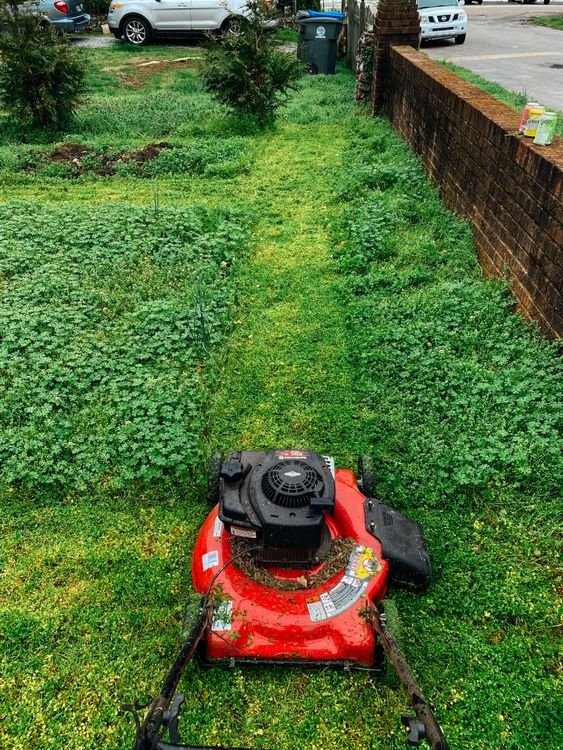
- For moderate leaf fall: mulch with your mower (shred and leave as organic matter); works well if leaf layer is light
- For heavy leaf fall: rake or blow frequently; mow and bag; compost the harvest
- Never leave leaves over winter: Any leaves remaining when snow falls will smother grass beneath the snow cover and guarantee spring snow mold problems
Use leaves as a resource: Shredded leaves are excellent compost material. Stockpile them near your compost pile for use as carbon-rich “browns” throughout the next year.
Task 5: Weed Control
Fall is an excellent time for broadleaf weed control—often more effective than spring treatment.
Why fall works better: Perennial weeds (dandelions, clover, creeping charlie, oxalis) are actively moving nutrients from leaves to roots in fall in preparation for winter. Systemic broadleaf herbicides travel along with these nutrients, killing the entire plant including roots.
Products: Apply a broadleaf herbicide containing 2,4-D, dicamba, and/or triclopyr when weeds are actively growing and daytime temps are above 50°F.
Best window: Late September to mid-October in most cool-season regions; before the first hard freeze.
Task 6: Reduce Mowing Height Gradually
Grass going into winter at the right height is better protected from both snow mold and cold damage.
Target winter height: 2–2.5 inches for most cool-season grasses (Fescue, Bluegrass) going into dormancy.
How to reach this: Reduce your mowing height by ¼ inch every 1–2 mowings during October–November rather than dropping drastically in a single mow.
Why not too tall? Grass left at 4+ inches going into winter has excessive surface area for snow mold to colonize; the matted, wet environment under snow is perfect for fungal development.
Why not too short? Scalping grass in fall removes protective crown tissue and exposes roots to freeze damage.
Task 7: Final Irrigation and System Winterization
Water is needed until the ground freezes. Lawns that go into winter dry are more vulnerable to winter desiccation (drying out in cold, windy conditions).
Continue irrigation: Until soil freezes, continue to supplement rainfall to maintain 1 inch of water per week. Even during dormancy, a final deep watering before freeze-up is beneficial.
Winterize irrigation systems: Before the first hard freeze (temperatures consistently below 32°F overnight):
- Shut off water supply to the system
- Open all drain valves manually
- Blow out remaining water with a compressor (consult a professional or follow your system’s manual carefully; improper blow-out can damage heads and pipes)
Warm-Season Lawn Fall Tasks
For Bermuda, Zoysia, and St. Augustine, fall requires different priorities:
September: Apply potassium-rich fertilizer (low nitrogen, high K) to improve cold hardiness. This is especially important in Zone 7 transition areas.
October: Reduce nitrogen; stop all fertilizing before the first frost. Feeding dormant grass wastes product and can promote cold-sensitive new growth.
Winter overseeding (September–October): For a green winter lawn, overseed Bermuda with annual or perennial ryegrass at 5–10 lbs per 1,000 sq ft after scalping the Bermuda to ½ inch.
Leaf removal: Same importance as for cool-season—don’t let leaves smother dormant warm-season grass.
Fall Lawn Care Calendar
Late August–September:
- Aerate
- Overseed (cool-season)
- September fertilizer application
October:
- Continue mowing as needed; lower height gradually
- Remove leaves promptly
- Apply broadleaf herbicide for dandelions
- Begin winterizer application
November:
- Complete winterizer application (cool-season lawns)
- Final mowing of season (lower height)
- Winterize irrigation system
- Complete leaf removal
Fall lawn care is an investment with the highest return in the lawn care calendar. The time and resources you put in during September and October pay off every week from March through November of the following year. Once the season wraps up, move straight into winterizing your lawn to protect all the progress you’ve made.