Common Lawn Pests and How to Control Them
Lawn pests can devastate a healthy lawn with alarming speed. Many pest problems are initially mistaken for disease, drought stress, or fertilizer issues—costing homeowners weeks of time and money on the wrong treatment. If you’re not sure whether you’re dealing with a pest or a disease, the guide to lawn fungus prevention and treatment and the grass dying diagnostic guide are good starting points for ruling out other causes. Accurate identification is the first and most important step. Here are the most common lawn pests, how to identify them, and exactly how to control them.
How to Tell Pest Damage from Other Problems
Before treating for insects, rule out other causes. Pest damage has specific characteristics:
- Irregular patches that don’t align with irrigation head coverage or shade patterns
- Spongy turf that pulls up easily from the soil (grub damage)
- Brown patches that expand rapidly (surface-feeding insects often visible at patch edges)
- Presence of the pest itself: Check the soil, the thatch layer, and grass crowns before treating
If you see insects, confirm the population is high enough to cause damage before treating. Most lawns host some insects without problems—treatment is warranted only above threshold levels.
White Grubs
White grubs are the larvae of several scarab beetle species—Japanese beetles, masked chafers, May/June beetles, and others. They feed on grass roots underground, severing the connection between roots and blades.
Identification
- C-shaped, cream-colored larvae, ½–2 inches long
- Found just below the soil surface (1–4 inches deep)
- Raster pattern (arrangement of spines on rear end) identifies species but isn’t necessary for treatment
- Damage threshold: 5–8 grubs per square foot indicates treatment is needed
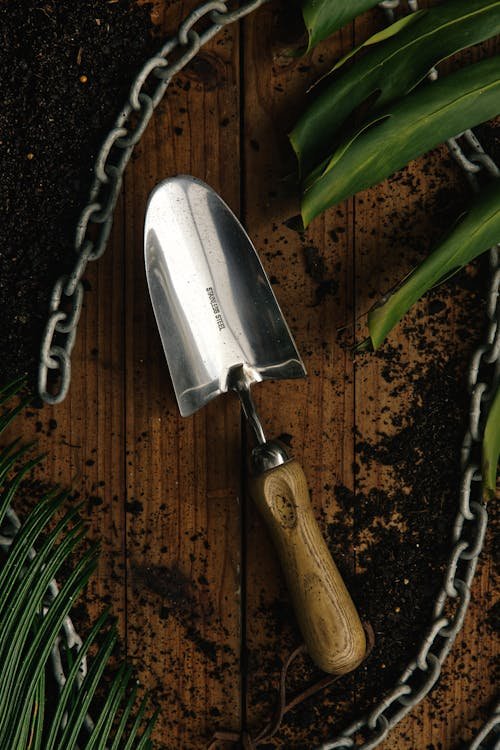
How to check: Use a flat spade to cut out a 1-square-foot section of turf to 4-inch depth and count the grubs in the soil.
Damage signs: Irregular brown patches that peel back like loose carpet in late summer; often followed by increased bird, skunk, or raccoon activity digging for grubs.
Control
Preventive (most effective):
- Imidacloprid (Bayer Season-Long Grub Control): Apply late spring to early summer (May–June) before eggs hatch; long residual control
- Chlorantraniliprole (Scotts GrubEx Season-Long): Best preventive option; low toxicity, excellent residual
- Water in thoroughly after application—these products need to reach the root zone
Curative (for active grubs):
- Trichlorfon: Fast-acting; use when grubs are actively feeding and damage is occurring
- Carbaryl: Contact killer; less effective than trichlorfon for curative use
- Apply when soil is moist and water in after application
- Best window for curative treatment: late summer (August–September) when grubs are small and near the surface
Biological control: Bacillus thuringiensis galleriae (BTG) and beneficial nematodes (Heterorhabditis bacteriophora) provide modest biological control. Less effective than chemical options but a good addition to an organic program. For a comprehensive look at natural, chemical-free pest and lawn management strategies, see our guide to organic lawn care and natural solutions.
Chinch Bugs
Chinch bugs are tiny insects that pierce grass blades and inject toxins while feeding, causing expanding patches of dead grass that are often mistaken for drought or disease.
Identification
- Tiny (⅙–⅕ inch), black with white wings and red legs; nymphs are red
- Found at the soil/thatch interface in hot, sunny areas
- Damage pattern: Starts near driveways and sidewalks where heat radiates; expands outward
Chinch bug test: Cut both ends from a coffee can and push 2 inches into the soil in a suspect area. Fill with water. Chinch bugs float to the surface within 5 minutes if present.
Primary host: St. Augustine grass; also attacks Bermuda, Zoysia, and Bluegrass.
Control
- Apply granular or liquid insecticide (bifenthrin, imidacloprid) according to label
- Treat the affected area plus a 2-foot buffer zone
- Water lightly before application to drive bugs from soil; water in after
- Second application in 4–6 weeks if reinfestation occurs
- Hairy chinch bugs (northern species attacking cool-season grass) require the same treatment approach
Prevention: Maintain thatch under ½ inch (chinch bugs thrive in heavy thatch); avoid over-fertilizing (tender growth is preferred); irrigate properly.
Sod Webworms
Sod webworms are the larvae of lawn moths—small tan or gray moths that flutter over grass at dusk. The caterpillar larvae feed at night on grass blades at the thatch level.
Identification
- Caterpillars: cream to tan with dark spots; ¾–1 inch long
- Found in the thatch layer when grass is pulled apart
- Damage pattern: Irregular brown patches, often with a patchy, chewed-at appearance
- Moths (adult stage) zigzag erratically over the lawn in evenings
Sod webworm test: Mix 1 tablespoon of dish soap in 1 gallon of water; drench a 1-square-foot area. Sod webworms will emerge from the thatch within 5–10 minutes if present.
Control
- Apply Bacillus thuringiensis kurstaki (Bt) for organic control; effective on young larvae; apply in late afternoon so larvae consume it when feeding at night
- Chemical options: bifenthrin, carbaryl, spinosad; apply in late afternoon for best contact with night-feeding larvae
- Control is most effective when larvae are young (early summer); larger larvae are harder to kill
Fall Armyworms
Unlike most lawn pests, fall armyworms can migrate from the South in large numbers, devastating lawns in late summer and fall across much of the eastern US.
Identification
- Caterpillars: 1.5 inches long; green to brown with a prominent inverted “Y” on the head
- Damage pattern: Rapid, widespread brown patches appearing almost overnight; lawn looks like it’s been eaten down to stems
- Most active in fall; favor bermuda grass but attack many grass types
Threshold: 2–3 caterpillars per square foot warrants treatment; 5+ per square foot is a major infestation.
Control
- Act immediately—armyworm damage can occur in 48–72 hours
- Apply spinosad, lambda-cyhalothrin, or bifenthrin as a broadcast treatment
- Apply in the afternoon/evening when caterpillars are active; irrigate lightly before application to bring caterpillars to the surface
- Healthy grass will recover once treatment stops the feeding; overseed severely damaged areas
Billbugs
Billbugs are beetle larvae that feed on grass crowns and stems just below the soil surface. Damage appears similar to white grubs.
Identification
- Adults: snout beetles (weevils) seen walking across driveways and sidewalks in spring
- Larvae: legless, cream-colored grubs found in the crown zone
- Damage: Grass pulls up easily; stems break at the soil line; cross-section shows a packed sawdust-like frass inside the stem
- Heavily attacks Bluegrass and Zoysia; less common on Bermuda
Control
- Apply imidacloprid or clothianidin preventively in spring (May) when adults are active
- Water in thoroughly; billbug control requires product in the root zone
- Endophyte-enhanced grass varieties provide natural resistance to billbugs
General Lawn Pest Prevention
- Maintain proper thatch: Thatch above ½ inch provides habitat for chinch bugs and sod webworms. Keeping thatch in check also discourages weed germination—our lawn weed control guide explains how these cultural practices work together.
- Aerate annually: Reduces soil compaction and disrupts pest habitat
- Avoid over-fertilizing: Lush, tender growth from excess nitrogen is preferred by many pest species
- Encourage beneficial insects: Minimize broad-spectrum insecticide use to preserve predatory beetles and parasitic wasps
- Scout regularly: Walk your lawn weekly during the growing season; early identification means smaller, more manageable populations
When to call a professional: Large infestations covering more than 30% of the lawn, recurring problems despite treatment, or when you’re unsure of the diagnosis. A lawn care professional can also apply restricted-use products not available to homeowners for severe infestations.
Effective lawn pest control is about identification, timing, and threshold-based treatment—not blanket spraying. Address the pest, protect your grass, and your lawn will recover faster than you might expect.