Best Soil for Raised Vegetable Garden Beds
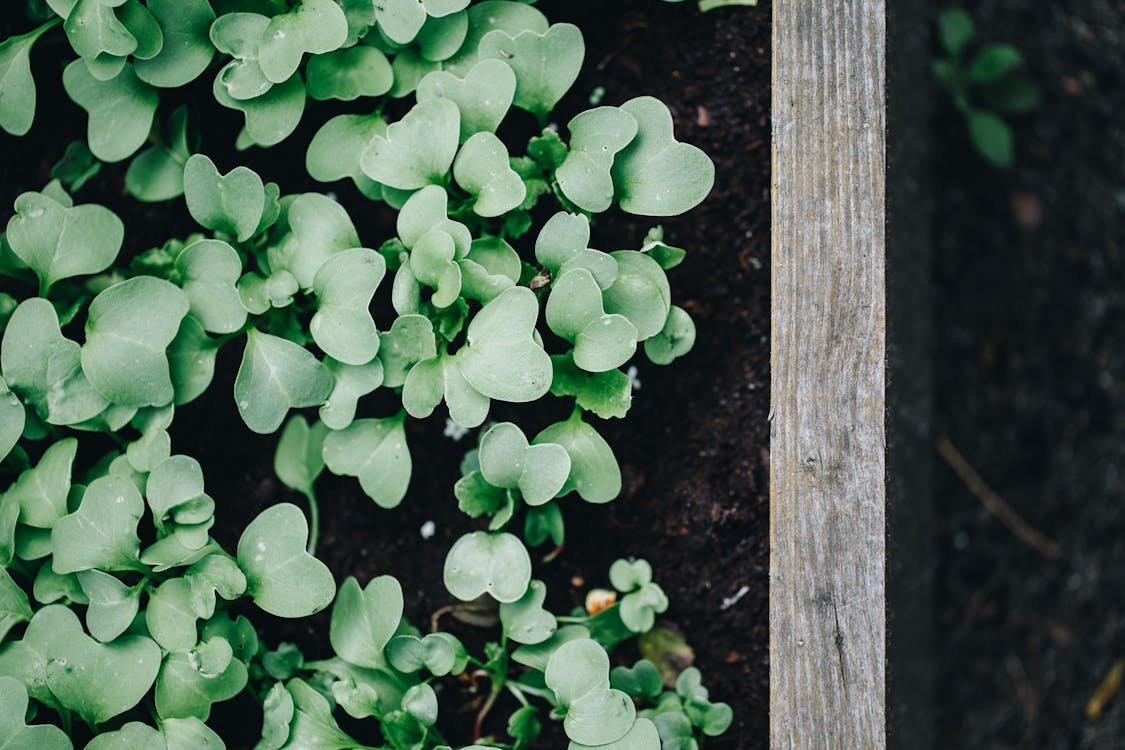
The soil you put in your raised vegetable garden bed is the single most important factor in how well your plants grow. Unlike in-ground gardening where you’re stuck improving native soil over many years, a raised bed gives you a clean slate—you choose exactly what goes in from day one. If you haven’t built your bed yet, start with our step-by-step guide on how to build a raised garden bed. Choose well, and your vegetables will grow better than you’ve ever seen.
Why Raised Bed Soil Is Different from Regular Garden Soil
Raised beds need a different soil profile than in-ground gardens because:
- Drainage: Water drains from all sides and the bottom of a raised bed, not just the bottom. The soil needs to drain freely while retaining adequate moisture.
- Root penetration: Roots grow through the entire depth of the bed. The soil must stay loose and uncompacted—it never gets walked on.
- Settling: Raised bed soil settles and decompresses over time. The mix must be friable (loose and crumbly) to maintain good structure.
- Nutrients: Vegetables are heavy feeders. The growing medium must supply consistent nutrients throughout the season.
Regular garden soil or topsoil used alone performs poorly in raised beds—it compacts into a dense mass, drains poorly, and doesn’t provide the loose, aerated structure that vegetable roots need.
The Ideal Raised Bed Soil: Key Properties
Good raised bed soil should:
- Drain freely without puddles forming on top
- Hold adequate moisture between waterings
- Remain loose and crumbly even when wet
- Supply a full spectrum of macro and micronutrients
- Support robust biological activity (earthworms, beneficial microorganisms)
- Fill the entire bed to within 1–2 inches of the top
Option 1: Mel’s Mix (The Classic Recipe)
Mel Bartholomew popularized this formula in his “Square Foot Gardening” book, and it remains one of the most effective raised bed soil mixes:
The formula: Equal parts (⅓ each) of:
- Coarse vermiculite: Provides excellent drainage and aeration while retaining moisture. Lightweight and pH-neutral.
- Peat moss or coco coir: Organic matter that retains moisture and gives the mix a light, fluffy texture. Coco coir is a more sustainable alternative to peat.
- Blended compost: The nutrient engine. Use a blend from multiple sources (mushroom compost, composted manure, leaf compost, worm castings) for the broadest nutrient profile.
Why it works: This mix drains freely, never compacts, retains adequate moisture, and provides the biological activity and nutrients vegetables need.
The downside: It’s expensive. Vermiculite costs significantly more than most alternatives, and buying all three ingredients separately adds up. Calculate material costs before committing.
Cost estimate for a 4x8x12-inch bed (~32 cubic feet): $150–$300 depending on local prices.
Option 2: Simplified Mix (More Affordable)
For those looking for excellent results at lower cost:
Recipe:
- 60% topsoil (quality, not fill dirt)
- 30% finished compost
- 10% perlite or coarse builder’s sand
This mix is denser than Mel’s Mix but performs excellently when quality ingredients are used. The topsoil provides mineral content and biological diversity; compost provides nutrients and organic matter; perlite or sand improves drainage.
Key: Use quality topsoil that is screened, dark, and rich-smelling—not dusty, light-colored fill dirt. The difference between good and poor topsoil is enormous.
Option 3: Bagged Raised Bed Mixes
Several manufacturers sell pre-blended “raised bed soil” or “garden mix” specifically formulated for raised beds. This is the most convenient option.
Good-quality bagged mixes include:
- Miracle-Gro Raised Bed Soil
- Foxfarm Ocean Forest (premium; expensive but excellent)
- Coast of Maine Raised Bed Mix
- Black Gold Natural & Organic Raised Bed Mix
What to look for on the label: High organic matter content (30%+), listed ingredients that include compost or aged bark, no synthetic fertilizer (for soil health), and “for raised beds” on the label (not just “potting mix” or “topsoil”).
Avoid: Cheap bags labeled “topsoil” that contain dusty, compacted soil with low organic matter. These perform poorly in raised beds.
Tip: Supplement even good bagged mixes with homemade or purchased compost to increase nutrient density and biological activity.
The Role of Compost
Compost is non-negotiable in raised bed gardening. It provides:
- Macro and micronutrients in slow-release form
- Soil biology (bacteria, fungi, earthworms) that support plant health
- Humus that improves water retention and soil structure
- Disease suppression through competitive exclusion
Compost sources:
- Homemade: The best—highest biological diversity and quality. Learn how to start composting at home to produce a free, continuous supply.
- Mushroom compost: Excellent; byproduct of mushroom farming; rich and well-balanced
- Composted cow or chicken manure: High in nitrogen; avoid fresh manure (too hot, pathogen risk)
- Worm castings: Premium addition; exceptional biological activity and nutrient availability even in small quantities
- Leaf compost: Good for organic matter; lower nutrients but excellent structure improvement
How much: Make compost at least 30% of your total bed volume on the first fill; add 2–3 inches each spring and fall as the bed is replenished. Our guide on how to use compost effectively in your garden covers every application method.
Amendments to Add to Any Mix
Beyond the base mix, consider these beneficial additions. For a broader look at improving soil in any setting, see our overview of the best soil amendments for lawns and gardens.
Worm castings: Add 10–20% if budget allows. Exceptional plant growth response; superior biological diversity.
Kelp meal: Natural source of micronutrients and growth hormones. Add at 1 cup per 20 gallons of soil.
Rock dust (basalt, glacial rock): Provides a broad spectrum of trace minerals often lacking in soilless mixes. Add at the recommended label rate.
Mycorrhizal inoculant: Beneficial fungi that colonize plant roots and dramatically improve nutrient and water uptake. Apply at planting time. Most effective in new beds that lack existing fungal populations.
Azomite: Trace mineral amendment mined from ancient volcanic deposits. Excellent for correcting micronutrient deficiencies.
What to Avoid
Cheap fill dirt: No organic matter, poor drainage, often contains weed seeds. Native clay soil: Compacts in raised beds; poor drainage. Fresh wood chips: Rob nitrogen from soil as they decompose. Fresh uncomposted manure: Too hot; contains pathogens. Sand alone: Doesn’t improve clay soil; in high clay content beds, can create a concrete-like mixture.
How to Calculate How Much Soil You Need
Measure your bed’s length × width × depth (in feet):
- 4x8x1 foot = 32 cubic feet (12-inch deep bed)
- 4x8x0.67 feet = approximately 21 cubic feet (8-inch deep bed)
Divide by 27 to convert to cubic yards (1 cubic yard = 27 cubic feet).
Bags are typically labeled in cubic feet. A 2-cubic-foot bag is a standard size.
Example: For a 4x8x12-inch bed needing 32 cubic feet, you’d need 16 bags of 2-cubic-foot product.
Refreshing Raised Bed Soil Each Season
Raised bed soil depletes each season as vegetables extract nutrients and organic matter decomposes. Replenish annually:
Every spring: Add 2–3 inches of finished compost; mix lightly into the top 4–6 inches. This restores organic matter and provides nutrients for the season.
Every fall: Add another 2 inches of compost and consider a mineral amendment (rock dust, kelp meal) to replenish trace elements.
Every 3–5 years: Do a full refresh—add 4–6 inches of new mix to account for settling and depletion.
With excellent soil, your raised vegetable bed will outperform in-ground gardens with similar inputs—producing more, growing faster, and requiring less effort to maintain.